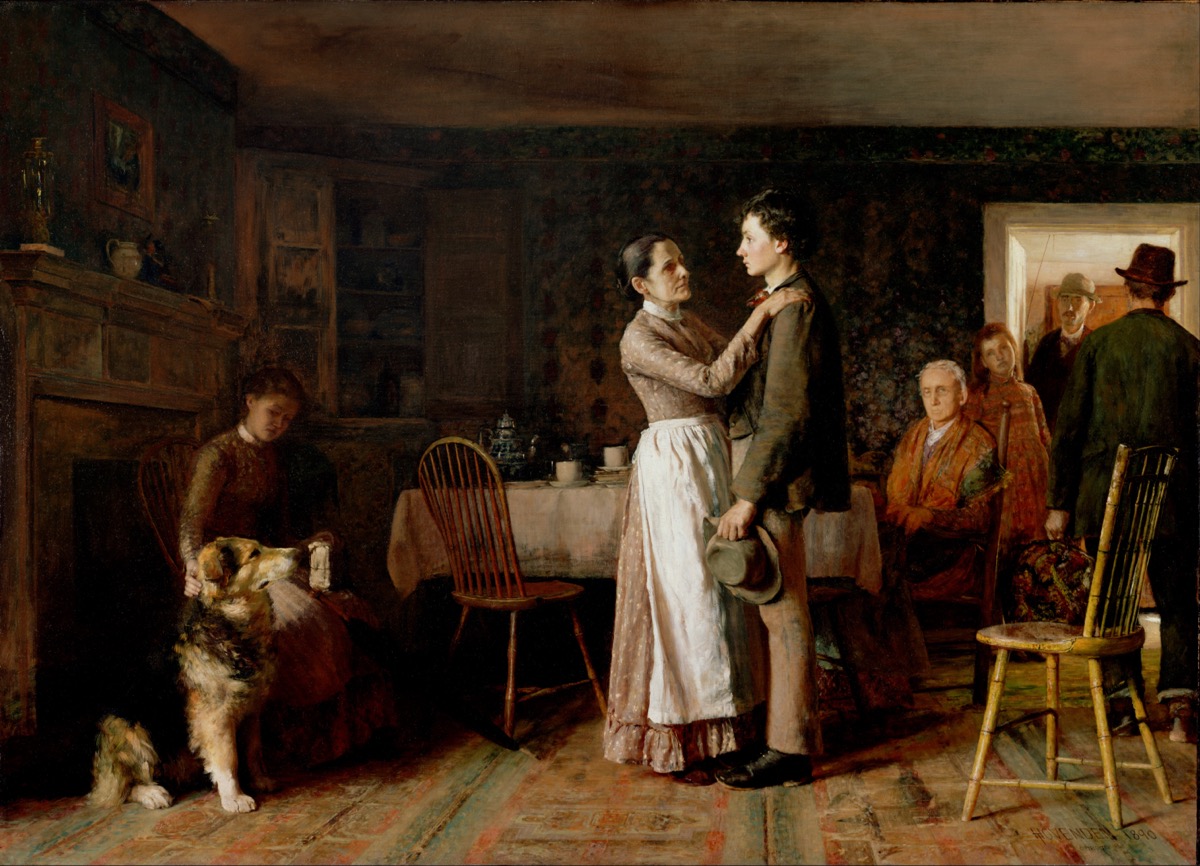
"The object isn't to make art, it's to be in that wonderful state which makes art inevitable." Robert Henri, "The Art Spirit" (1923)
Open this when you need a subject, an example to learn from, or a way back into a painting that’s stalled. It’s built for dipping into, not reading cover to cover.
How to use this book
Starting a painting? Begin with “How Painting Tells Stories,” then the subject library and the studio exercises. Looking for references? Browse the master paintings or the story vault. Just curious? Open anything that catches your eye.
The examples are prompts, not assignments. The readings of master paintings are opinions, not the last word, and not a ranking of “correct” art. Keep what helps, question what doesn’t, and trust your own eye.
What's Inside
How Painting Tells Stories
The single-frame constraint. How masters found their subjects. Finding a good idea and trying it with purpose.
The Contemporary Subject Library
Experiences and tensions people live with now, translated into specific paintable scenes. Top 20 fully expanded.
Master Paintings: Close Readings
One close reading of each painting: compositional choices and techniques you might borrow. From Hopper to Rockwell.
The Story Vault
Biblical, mythological, and historical stories painters have used for 500 years. Each with a 2026 retelling prompt.
In the Studio
Worked examples, the thumbnail sprint, concept template, and critique framework.