Skill as Service
The better your craft, the more you can offer. This workshop bridges philosophical intention with classical technique, connecting every brushstroke to a larger purpose.
The Ethics of Craft
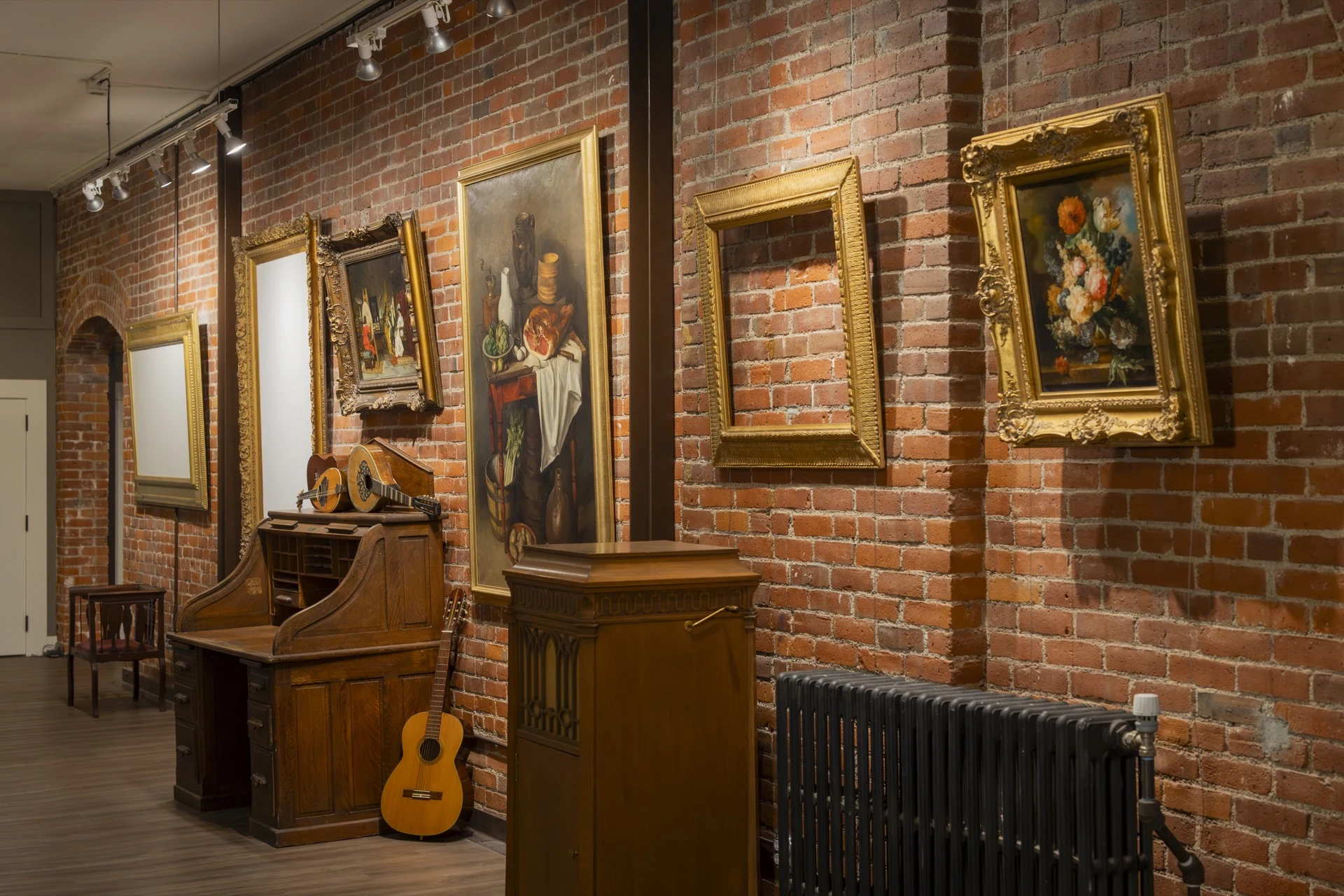
In Rehumanism, mastery is not ego — it's generosity. The years you spend learning to see, mix, and render are years spent building the tools to serve others.
Why Rehumanism Demands High Skill
Here's the uncomfortable truth: you can have the most beautiful intentions in the world, but if you can't draw a convincing hand, you can't make the viewer feel a hand reaching. If you can't mix skin tones that look alive, the figure in your painting will feel like a mannequin, not a person. If your composition is clumsy, the viewer's eye will wander instead of being guided into the emotional experience you intended.
Skill is not the opposite of feeling. Skill is the delivery system for feeling.
Think of it this way: a surgeon who cares deeply about her patients but hasn't mastered the scalpel is dangerous. A musician who feels the music profoundly but can't keep time is frustrating. Care without competence is, at best, wasted potential. At worst, it's disrespectful, because it tells the viewer: "I wanted to give you something beautiful, but I didn't do the work to actually deliver it."
Technical excellence is not showing off. It is respect for the viewer. Every hour you spend mastering your craft is an hour spent ensuring that when someone stands in front of your painting, they will receive the full emotional experience you intended, not a watered-down version limited by your inability to execute.
Slowness as Resistance
In 2026, AI can make a photorealistic image in seconds. A serious painting can take hundreds of hours. Why does the human version matter?
Because those hours are visible in the work. Not as "imperfection", but as evidence of sustained human attention. The viewer doesn't consciously count the hours, but they feel the difference. A painting made with deep attention radiates that attention back. It asks the viewer to slow down and look, really look — in a world that has trained them to scroll.
This is what we mean by "slowness as resistance." The Seattle Prize gives painters time to make one ambitious work. That's not inefficiency; it's the whole point. A painting made with that much attention has a presence no shortcut can fake.
The Atelier Tradition
Rehumanism draws from the atelier tradition of art education, the slow, rigorous, master-apprentice model that produced the painters we still revere centuries later. The core progression:
- Learning to see Before you pick up a brush, you learn to observe. Cast drawing. Bargue plates. Hours spent getting a single curve right. This isn't drudgery — it's building the neural pathways that will allow you to translate perception into mark-making.
- Learning the language Value, edge, color temperature, chroma. The grammar of visual communication. Every painting decision is a word in this language. The richer your vocabulary, the more nuanced your "sentences."
- Finding your voice Only after mastering the language do you start saying something uniquely yours. Premature "expression" without foundation is like writing poetry in a language you don't speak.
Rate yourself honestly (1-10) on each of these fundamental skills. No shame, this is a map, not a judgment:
- Drawing accuracy Can you render a figure in correct proportion from life?
- Value control — Can you create a full range from darkest dark to lightest light, with subtle transitions?
- Color mixing Can you match a skin tone, a sky color, a reflected light, from observation?
- Edge control Can you create hard edges (focus), soft edges (atmosphere), and lost edges (mystery)?
- Composition Can you arrange elements to guide the eye and create emotional architecture?
- Brushwork Can your brushstrokes themselves convey energy, calm, precision, or softness as needed?
Your lowest scores are where your "delivery system" is weakest. These are the areas where additional study will most increase your ability to serve the viewer. Make a plan to address your bottom 2 scores over the next 6 months.
Light as Moral Force
Light in a narrative painting is never just illumination. It is meaning. It tells the viewer what matters, what is hidden, and where the truth lies.
The Language of Light
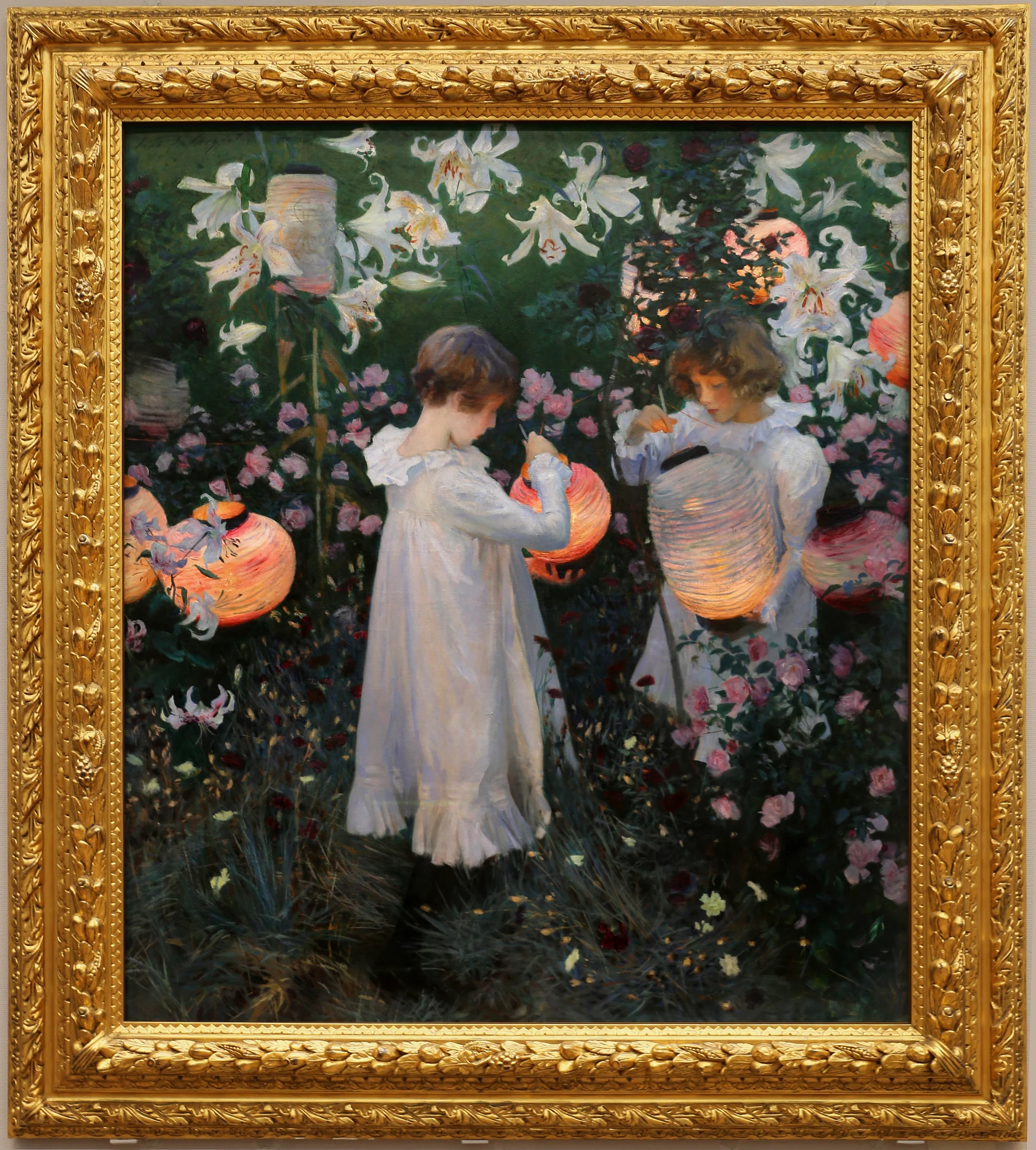
Every painting master understood that light is moral force. What the light touches is what the painter declares important. What lies in shadow is hidden, denied, or not yet revealed. The direction, quality, and temperature of light are all emotional decisions.
Light Archetypes
- Rembrandt light (single source, 45 degrees above), Creates the "triangle of light" on the cheek. Intimacy, revelation, spiritual introspection. The face emerges from darkness. It says: "Look closely. This person matters."
- Vermeer light (soft, from a window), Even, gentle, democratic. Every surface receives attention. It says: "The ordinary is worthy of reverence." This light treats a bread crust with the same dignity as a face.
- Caravaggio light (dramatic chiaroscuro, theatrical), Maximum contrast. Figures emerge violently from blackness. It says: "This is urgent. This is a turning point. Pay attention."
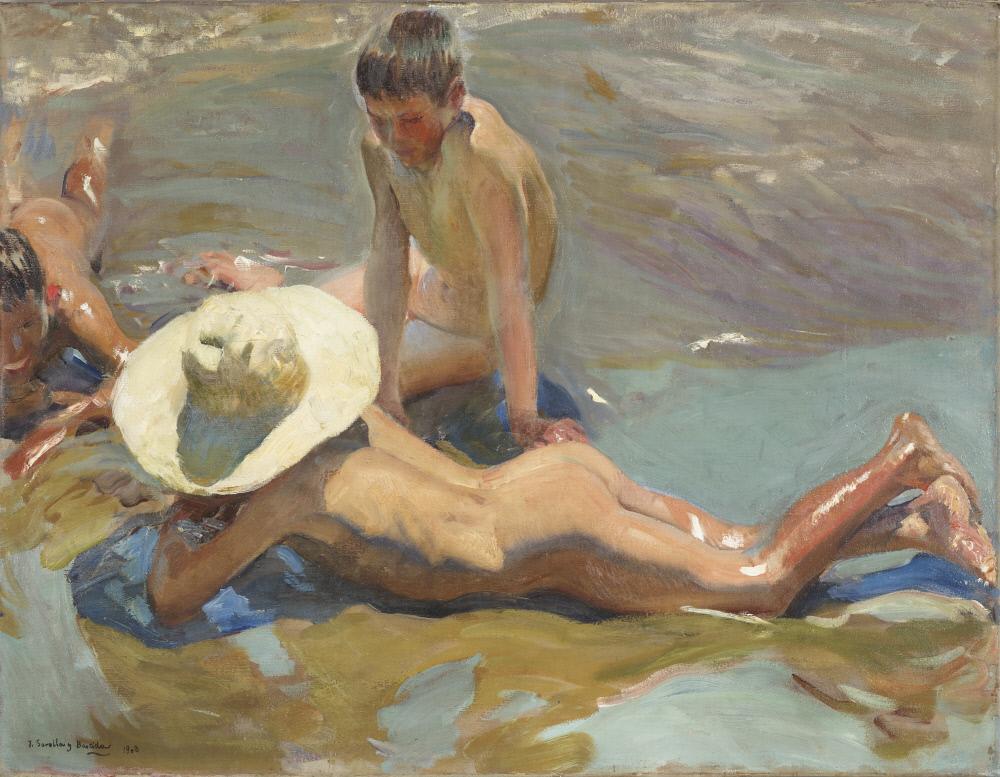
- Sorolla light (full outdoor, Mediterranean brilliance), Everything drenched in warm, vibrating light. It says: "Life is abundant. The world is generous. You are allowed to feel joy."
- Wyeth light (austere, gray, indirect) — The light of overcast days. Spare, honest, unsentimental. It says: "There is beauty in austerity. Dignity needs no gilding."
Before you begin a painting, ask: "What kind of light does this story need?" The answer isn't about physics, it's about emotion. A painting about grief needs different light than a painting about joy. A painting about hidden truth needs different light than a painting about open celebration. Let the emotional intention drive the lighting decision.
Set up a simple portrait arrangement (a model, a bust, or even a self-portrait in a mirror). Paint the same subject five times (small studies, 6x8 each), changing ONLY the light:
- Rembrandt light (warm, single source, above-left)
- Flat, even light (as if by a window on an overcast day)
- Strong chiaroscuro (a single lamp close to the face, from below or the side)
- Backlight (light behind the subject, face mostly in shadow)
- Your own choice, what light does this person's "story" need?
Compare the five studies. Notice how the same face can feel contemplative, innocent, dramatic, mysterious, or revealed, depending entirely on the light. This is the power you have as a painter. Use it intentionally.
The Empathetic Brush
Brushwork is not just mark-making, it is the painter's handwriting. And like handwriting, it reveals character, intention, and feeling.
Clinical vs. Alive
There's a critical distinction between technically correct rendering and painting that feels alive. You've seen both. A hyper-realistic painting that's technically flawless but somehow cold — and a looser painting that vibrates with energy and feeling despite (or because of) visible brushstrokes.
The difference is empathetic brushwork the quality of the mark that conveys the painter's emotional relationship to the subject.
Learning from the Masters
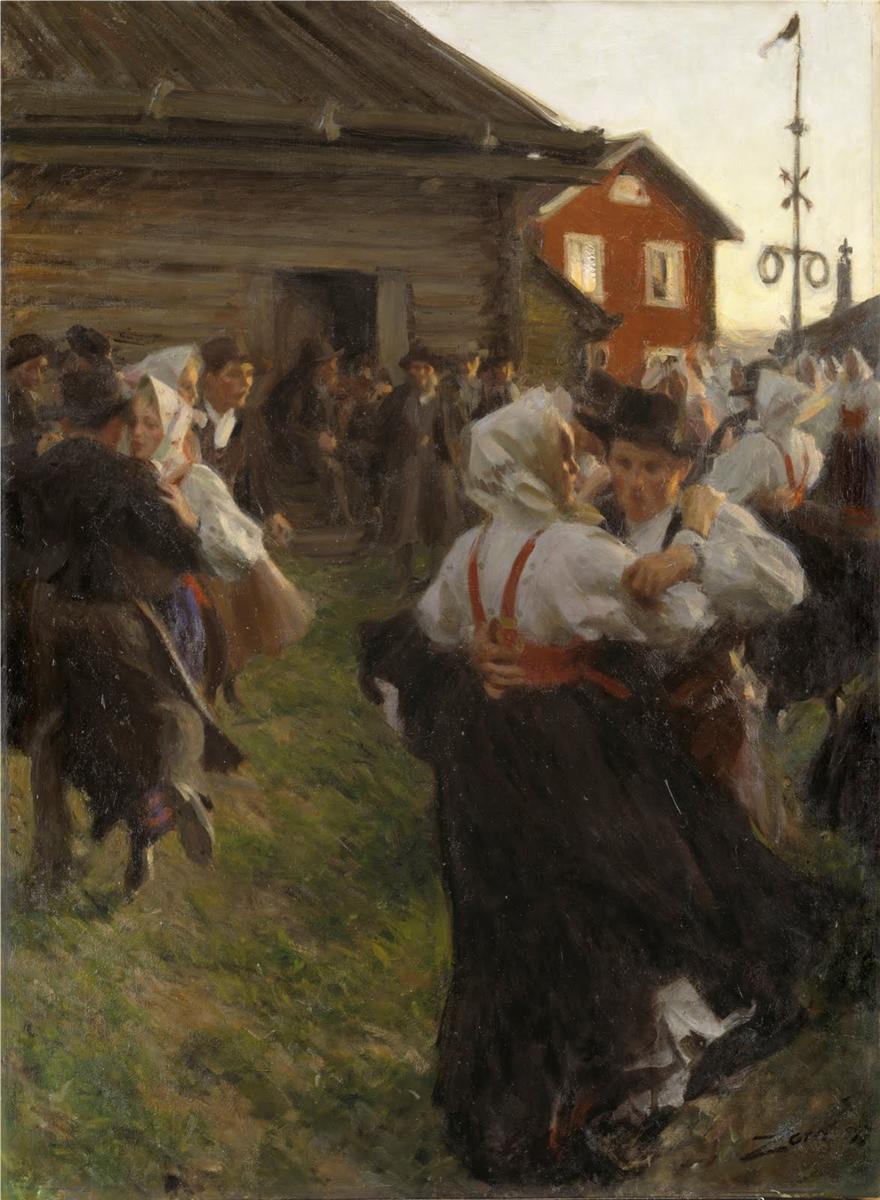
- Sargent: Confident, economical strokes that seem effortless but contain decades of practice. Each stroke does exactly one job, and does it completely. Study how he paints a white dress with seemingly random marks that, from three feet back, become luminous fabric.
- Zorn: Warm, sculptural brushwork that makes flesh feel alive. His limited palette (yellow ochre, cadmium red, ivory black, white) forces him to achieve warmth through touch rather than color. The brushwork itself is warm.
- Sorolla: The brush dances. His strokes follow the form of what they're depicting, the curve of a wave, the drape of cloth, the plane of a cheekbone. The paint itself seems to be moving, alive, full of light and air.
In the age of AI-generated smoothness, the visible brushstroke is a declaration of humanity. It says: a person was here. A hand held this brush. This mark is unique in the history of the universe, no algorithm produced it, no other hand could replicate it exactly. The brushstroke is proof of presence.
Choose a small section (no larger than 8x10) from a master painting — a hand by Sargent, a face by Zorn, a wave by Sorolla. Copy it as faithfully as you can, paying attention not just to the result but to the gesture of each brushstroke. How fast was it? How much pressure? What angle? What was the brush loaded with?
The goal isn't to replicate their style. It's to feel their decision-making process from the inside. This is how the atelier tradition works, you internalize the masters' logic through physical practice, then apply that logic to your own vision.
Color as Connection
Color is not objective. It is emotional, cultural, and deeply personal. The Rehumanist painter uses color not to describe, but to invite.
Color Temperature as Emotional Signal
At its most fundamental, color temperature is the painter's primary tool for emotional signaling:
- Warm palettes (ochres, siennas, cadmiums) create intimacy, safety, and invitation. They say: "Come closer. This is a welcoming space." Ideal for scenes of connection, domestic warmth, and human togetherness.
- Cool palettes (blues, blue-grays, viridians) create distance, contemplation, and sometimes consolation. They say: "Be still. Reflect." Ideal for scenes of solitude, grief that is being processed, and spiritual quiet.
- Warm light on cool shadows the classic combination that makes figurative painting feel alive. The warm light suggests vitality and presence; the cool shadows suggest depth and interiority. Together, they describe the full human experience: visible and hidden, known and mysterious.
The Rehumanist Palette
There is no "official" Rehumanist palette. But there is a Rehumanist attitude toward color: generosity. Use enough color to be nourishing, not so much that it overwhelms. The goal is visual nutrition, not sugar rush.
Study how the masters balanced restraint and richness. Zorn's four-color palette achieves extraordinary warmth through limitation. Sorolla's vibrant outdoor scenes are grounded by careful value structure. The lesson: richness comes from relationships between colors, not from the number of pigments on the palette.
Paint the same simple scene (a figure by a window, a still life, a landscape) twice:
- Version 1: Warm-dominant. Push the temperature warm throughout. Notice how it changes the emotional reading.
- Version 2: Cool-dominant. Push the temperature cool. Same scene, completely different feeling.
Then ask: which version serves the emotional intent of the scene? Which one would a viewer need? This is color as service, choosing temperature based on what the painting is meant to do, not what it "should" look like.
Human-Made in the Machine Age
AI generates infinite images. What can a painting offer that a prompt cannot? This week, we articulate the irreducible value of the human hand.
What AI Cannot Do
Let's be honest about what generative AI does well: it produces technically competent images at infinite speed with zero marginal cost. For commercial illustration, product mockups, and "good enough" imagery, AI is transformative.
But there are specific things it cannot do, and these are precisely the things that Rehumanist painting offers:
- AI cannot embody lived experience. When a painter paints a mother holding a child, she brings her own experience of watching that bond, her years of studying how light falls on skin, her emotional investment in getting the gesture right. That embodied experience is visible in the painting. The viewer feels it, even if they can't articulate it.
- AI cannot make moral choices. Every painting involves thousands of decisions about what to emphasize, what to omit, what to light, what to shadow. These decisions reflect a value system. AI makes these decisions statistically. A human makes them ethically.
- AI cannot be present. A painting is a record of sustained attention. Hundreds of hours of one human looking carefully at the world and translating what they see through their body into marks on a surface. That presence, that record of "I was here, I saw this, I cared enough to spend months getting it right", is what gives a painting its irreducible power.
- AI cannot struggle. The visible evidence of artistic struggle, the pentimenti, the corrected edges, the passage that was scraped down and repainted — is part of the painting's honesty. It says: "This was hard. I fought for this. The result cost me something."
Generate an AI image from a detailed prompt describing a scene you want to paint. Then create a small oil study (even 6x8) of the same scene from life or reference photos. Compare them honestly:
- Which one do you want to keep looking at? Why?
- Which one do you trust more? Why?
- Which one could you hang in a room and live with for 10 years?
- What does the painting have that the AI image doesn't? Be specific.
This isn't about AI being "bad." It's about understanding, concretely, what the human hand contributes, so you can lean into those qualities intentionally.
Your Masterwork Blueprint
Integrating everything: philosophy + craft + intention into a concrete plan for the most ambitious painting you've ever attempted.
What Makes a Masterwork
In the Rehumanist tradition, a "masterwork" is not simply a large, technically impressive painting. It is a painting where every technical decision, light, color, composition, brushwork, edge quality — is in service of a clear emotional and philosophical intention. The craft serves the meaning. The meaning demands the craft.
Create a comprehensive plan for an ambitious painting. This is the painting you'd make if you had a year of funded studio time. Include:
- The Story: What human experience does this painting explore?
- The Wound It Addresses: What does the viewer need this painting for?
- The Light: What lighting approach will carry the emotional weight? Why?
- The Palette: Warm or cool dominant? What emotional temperature?
- The Brushwork: Tight or loose? Where, and why?
- The Composition: A detailed value study showing the eye path and emotional architecture.
- The Human Element: What will this painting have that an AI image never could?
- The Three-Pillar Check: How does it serve Beauty? Truth? Love?
Timeline: Create a 6-month roadmap: Month 1 (studies + reference), Month 2 (color studies + composition refinement), Month 3-4 (painting), Month 5 (refinement), Month 6 (finishing + reflection).
1. Has your relationship to technical skill changed through this workshop? How?
2. Do you think of craft as ego or generosity? Has this shifted?
3. What is the one technical skill you're committing to mastering next, and who will benefit when you do?