Art as Healing
How beauty can comfort, how a painting that “sees” you makes you feel less alone, and how to paint with that in mind.
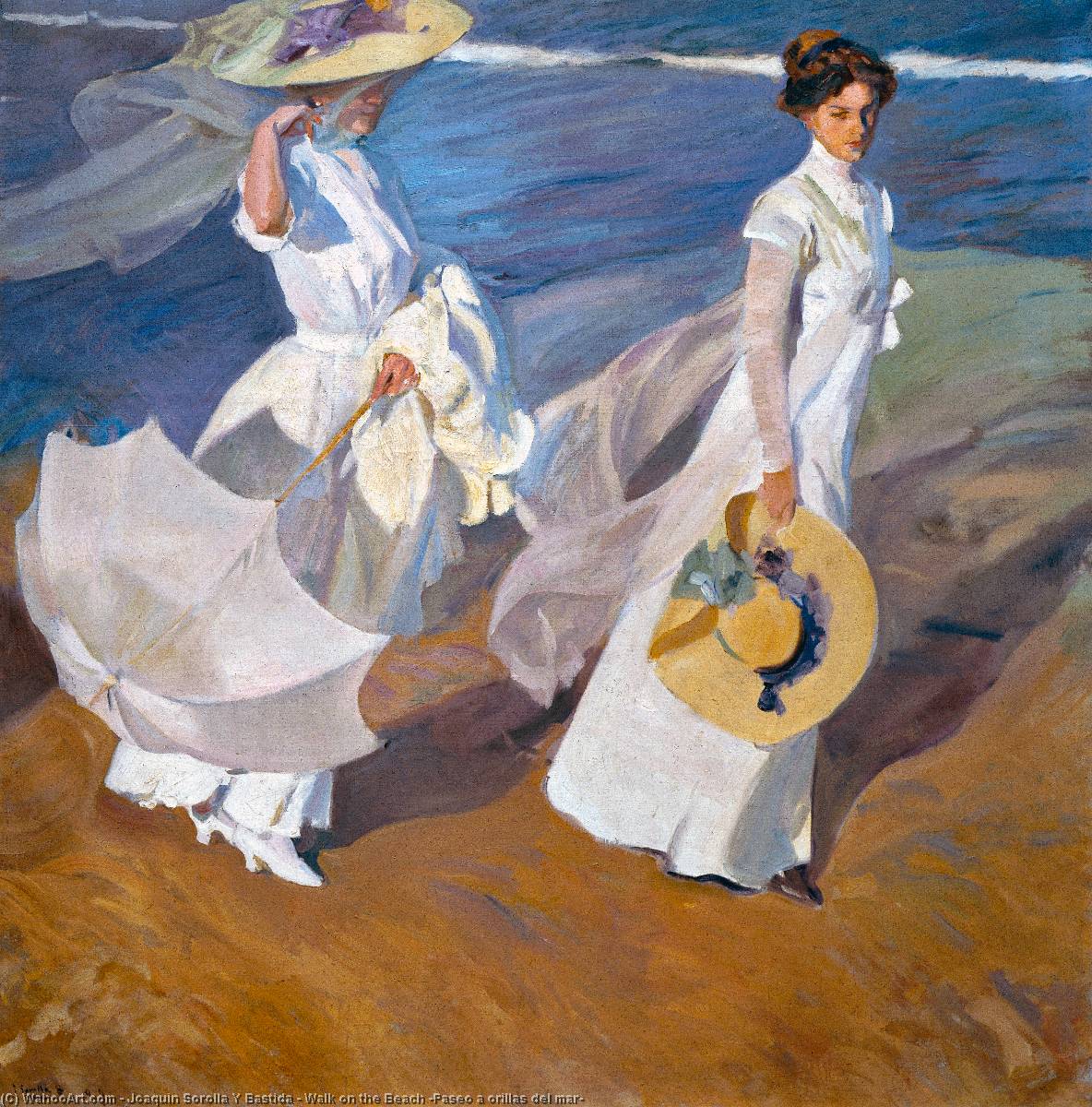
Relatable Transcendence
The feeling of being lifted out of the daily grind and reminded that life has meaning. This is art's most ancient gift, and its most urgently needed one.
What "Transcendence" Actually Means
Transcendence sounds religious, but it doesn't have to be. In the Rehumanist context, transcendence is simply the experience of being connected to something larger than your current situation.
You've felt it. Standing at the edge of the ocean. Hearing a piece of music that makes time stop. Looking at a painting and forgetting, for a moment, that you have a mortgage, a deadline, a body that aches. For that moment, the world makes sense. The noise stops. You feel part of something vast and coherent.
This is not escapism. It's the opposite, it's a more accurate perception of reality. The daily grind narrows our vision. Beauty restores it. A great painting doesn't take you out of the world, it puts you back into it more fully, with clearer eyes.
The Mechanics of Awe
Research by Dacher Keltner at UC Berkeley has shown that experiences of awe — including encounters with beauty, have measurable effects:
- Reduced inflammation the cytokines associated with chronic stress literally decrease.
- "Small self" effect your ego shrinks; you feel part of something larger. This reduces anxiety and increases generosity.
- Time expansion awe makes people feel like they have more time. In a culture of rushing, this is profound.
- Increased prosocial behavior — people who have recently experienced awe are kinder, more patient, and more generous to strangers.
This means that when you create a painting of genuine beauty, one that induces even a moment of awe, you are literally making the viewer healthier, calmer, and kinder. This is not metaphor. This is data.
The "relatable" part matters. We're not talking about painting angels or cosmic visions (unless that's your thing). We're talking about finding the transcendent in the ordinary, the light falling through a kitchen window, the way a parent's hand rests on a child's shoulder, the dignity of an aging face. Transcendence that anyone can access because it's grounded in shared human experience.
Spend one day noticing moments of quiet beauty in your ordinary life. Write down 10 specific observations (not "the sunset was pretty" but "the light caught the steam rising from my coffee and turned it gold for three seconds"). Choose the most resonant one and create a small study, a painting or detailed sketch that attempts to capture that specific moment of everyday transcendence.
The Relief of Being Seen
When an artist captures a private emotion and gives it public form, it validates our inner life and breaks our isolation. This is perhaps art's most powerful therapeutic function.
The Isolation Problem
One of the cruelest aspects of modern life is the sense that your inner experience is uniquely yours — that no one else has felt exactly what you feel. This is, of course, almost never true. But isolation makes it feel true. Social media, with its curated surfaces, makes it worse. Everyone else appears to be doing fine.
Art breaks this illusion. When you stand in front of a painting and think "Yes, that's exactly what it feels like," something releases. You are no longer alone with that feeling. Someone else has been there. Someone cared enough to render it visible, to say: "This matters. This deserves to be seen."
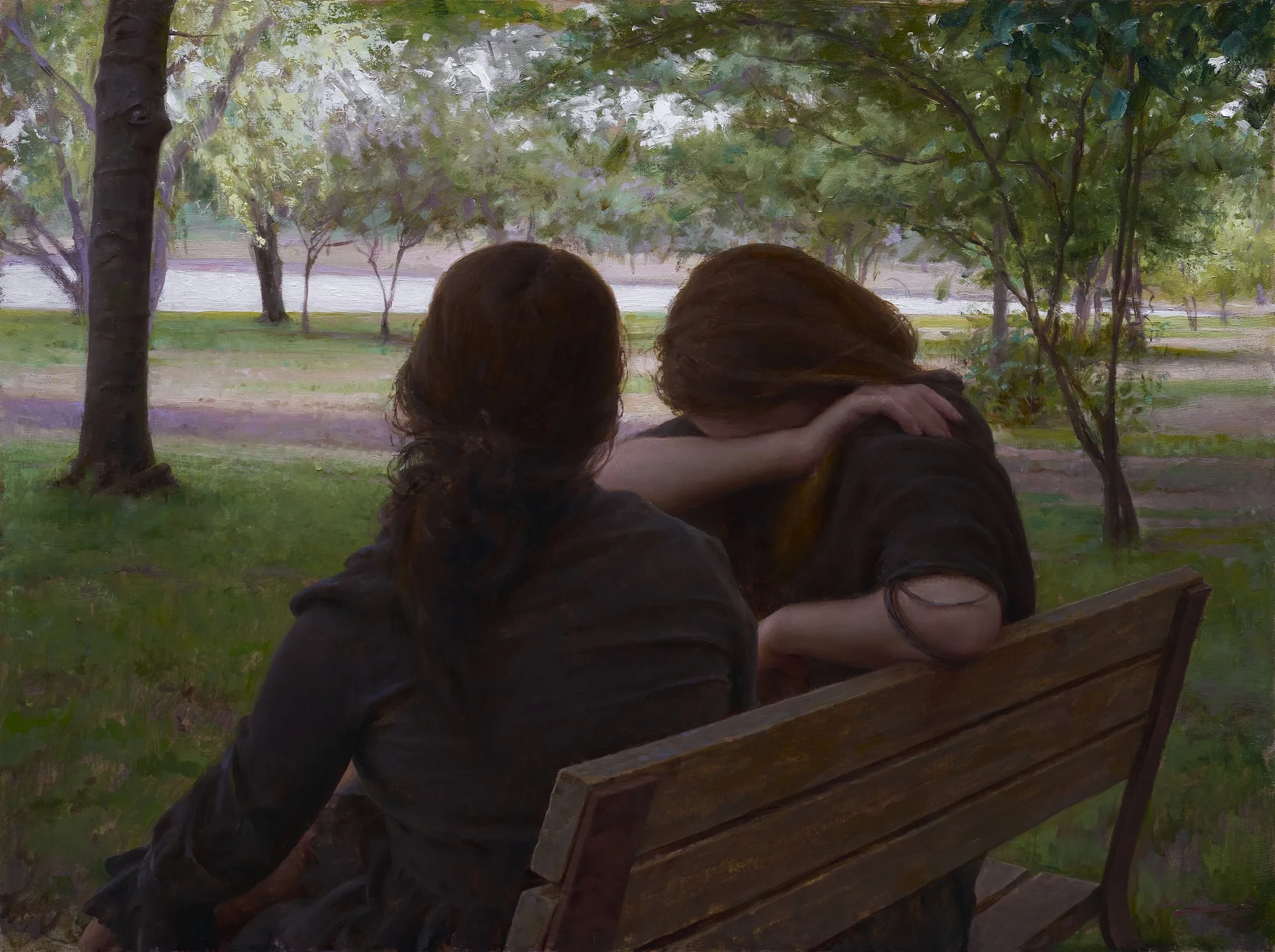
How to Create the "Seen" Effect
The key is specificity. Paradoxically, the more specific and personal you are, the more universal the painting becomes. Generic emotions create generic responses. Specific, honestly observed moments create recognition.
- Don't paint "grief." Paint the specific way someone holds a coffee cup when they're pretending to be fine.
- Don't paint "love." Paint the specific gesture of pushing hair behind someone's ear.
- Don't paint "loneliness." Paint the specific way a person's posture changes when the last guest leaves the room.
Think of an emotion you've felt that you've never heard anyone else describe. Something private, specific, perhaps embarrassing in its specificity. Now paint or sketch it. Not the situation the feeling, embodied in a figure, a gesture, a moment. The goal is to give visible form to something that has never been visible before. If you succeed, someone will eventually stand in front of it and think: "I thought I was the only one."
Addressing the Wound
Choosing which human need your art will speak to, and developing the visual language to address it with honesty and compassion.
The Art Pharmacy Framework
If art is medicine, then different artworks treat different conditions. The Rehumanist artist doesn't just create "beautiful paintings" — they create paintings with specific therapeutic intent.
This doesn't mean the paintings need to be heavy, somber, or "about" suffering. Often the most healing art is joyful, tender, or quietly beautiful. The key is that the artist has thought clearly about what the viewer needs and has created accordingly.
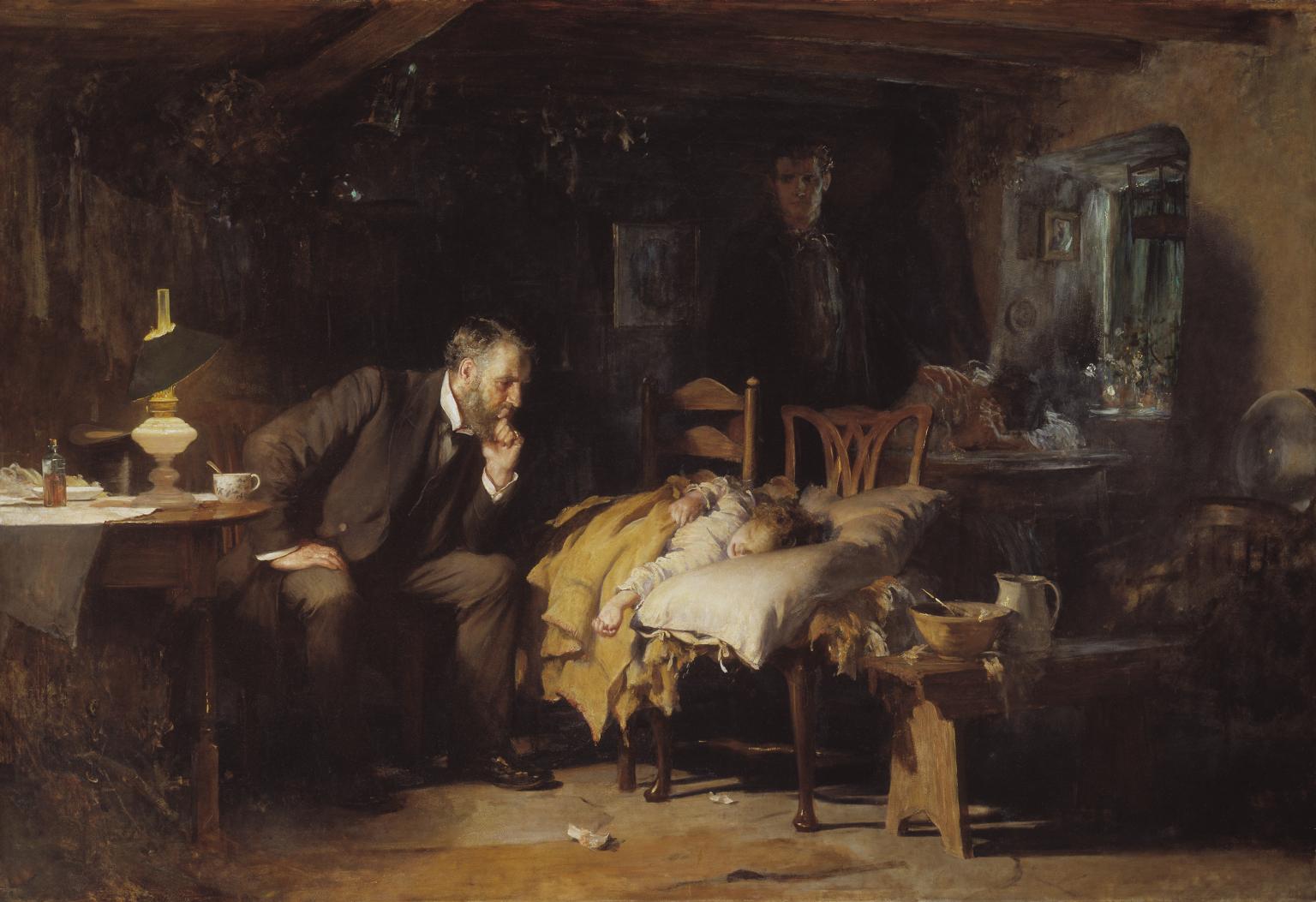
Matching the Medicine to the Wound
The medicine is depicted connection. Paintings of people touching, sharing space, making eye contact. Not idealized togetherness, real, imperfect human proximity. The viewer sees connection as possible and remembers they are social creatures.
The medicine is dignified sorrow. Art that sits with the darkness without rushing to fix it. Not "cheer up" art but "I'm here with you" art. Beauty and sadness coexisting in the same frame. Permission to feel without shame.
The medicine is everyday sacredness. Paintings that reveal the profound in the mundane. A meal. A hand at work. Light in a room. These paintings whisper: "Look more carefully. Life is already full of meaning. You just stopped noticing."
The medicine is astonishing beauty. Paintings so luminous, so carefully observed, that they reawaken the child's ability to be amazed. Sorolla's light on water. Zorn's skin tones. The world painted so attentively that it becomes miraculous again.
1. Choose one of the four wounds above, the one you feel most acutely in your own life right now.
2. Identify the "medicine" painting approach.
3. Create a small study (8x10 or similar) that directly addresses that wound with the matching medicine. Be specific. Be honest. Paint the painting you need right now.
4. Write a brief "prescription note": "This painting is for someone who feels ___. It offers ___ by depicting ___."
Prescribing Beauty
Putting it all together: curating your personal art pharmacy, creating with therapeutic intent, and understanding the difference between healing art and feel-good art.
Healing vs. Feel-Good
There's an important distinction that the Rehumanist artist must hold carefully:
- Feel-good art avoids difficulty. It shows only pleasant things. It's the visual equivalent of a pat on the back, comforting in the moment but ultimately hollow because it denies the viewer's actual experience.
- Healing art acknowledges difficulty and offers something alongside it. It doesn't deny pain — it dignifies it. It doesn't promise everything is fine, it promises you're not alone. The beauty in healing art is earned, not imposed.
Millet's "The Gleaners" is healing art. It doesn't pretend poverty is fun. But it renders poor women with such dignity, such beauty of light and form, that the viewer's perception of poverty, and of human labor itself, is permanently changed. That is healing.
Your Art Pharmacy
Every Rehumanist practitioner should maintain a personal art pharmacy, a curated collection of works (by others and eventually by yourself) that you know, from experience, can shift specific emotional states. This is both a personal resource and a tool for understanding what kinds of work the world needs.
Create a document (or physical collection of printed images) organized by need:
- When I need calm: 3-5 works that reliably slow your breathing and quiet your mind.
- When I need courage: 3-5 works that make you feel strong, dignified, or determined.
- When I need connection: 3-5 works that remind you of human warmth and togetherness.
- When I need to grieve: 3-5 works that give permission to be sad without being destroyed.
- When I need wonder: 3-5 works that reawaken your sense that the world is miraculous.
For each work, note what specifically creates the therapeutic effect. Is it the color? The light? The gesture? The composition? This analysis becomes the vocabulary for your own healing work.
1. Has your understanding of "beauty" changed through this workshop? How?
2. Do you believe art can genuinely heal, or is that a romantic idea? What evidence have you seen?
3. If you could put one of your paintings in a hospital, a school, or a prison — a place where healing is needed, which painting would you make, and why?