Building a Rehumanist Practice
Rehumanism isn't a theory, it's a way of living in the studio and in the world. This final workshop helps you embed these principles into your daily creative life.
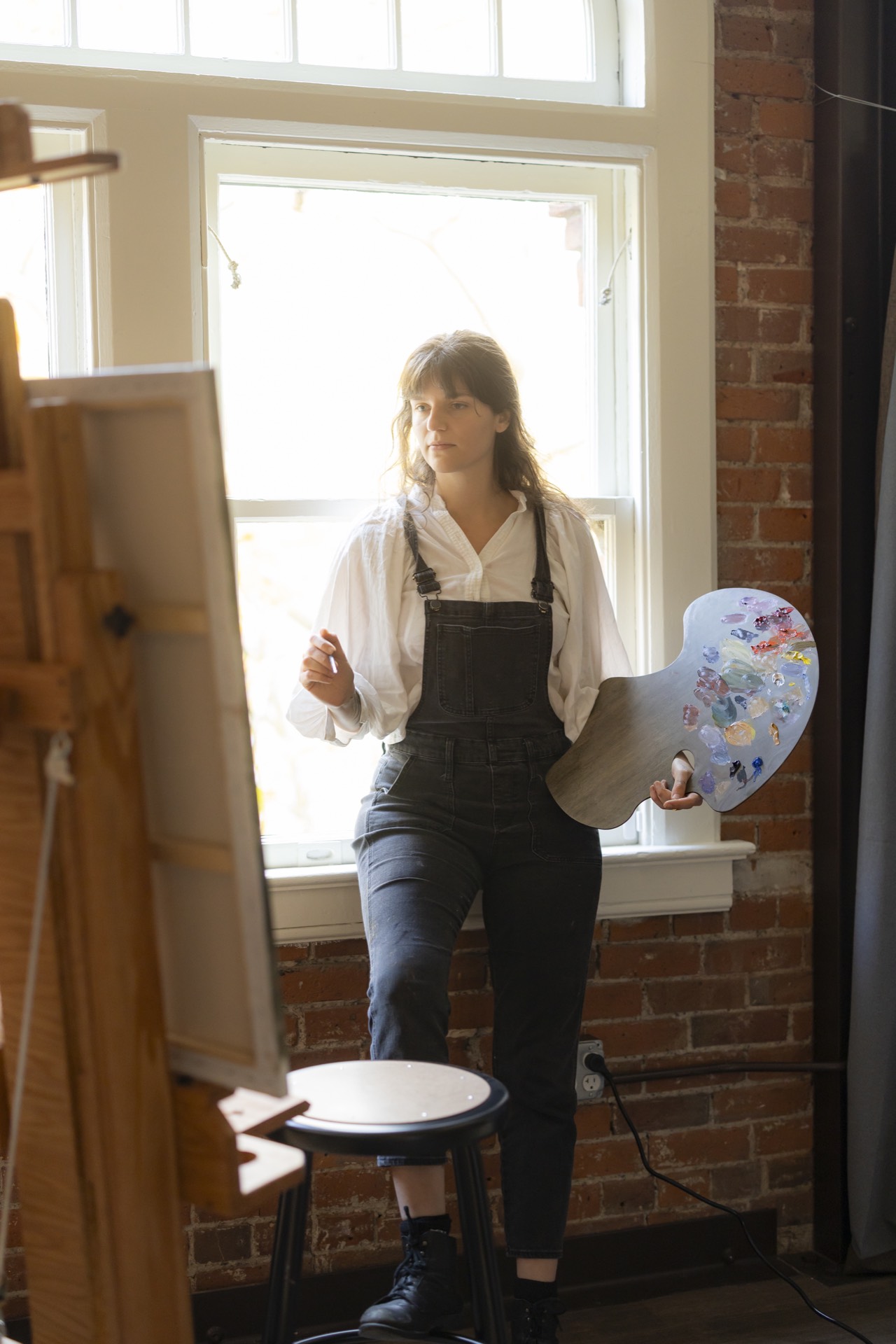
The Daily Practice
How to build rituals of seeing, making, and reflecting that sustain a meaningful creative life, regardless of whether you have a fellowship or a day job.
Andrew's 365 Paintings
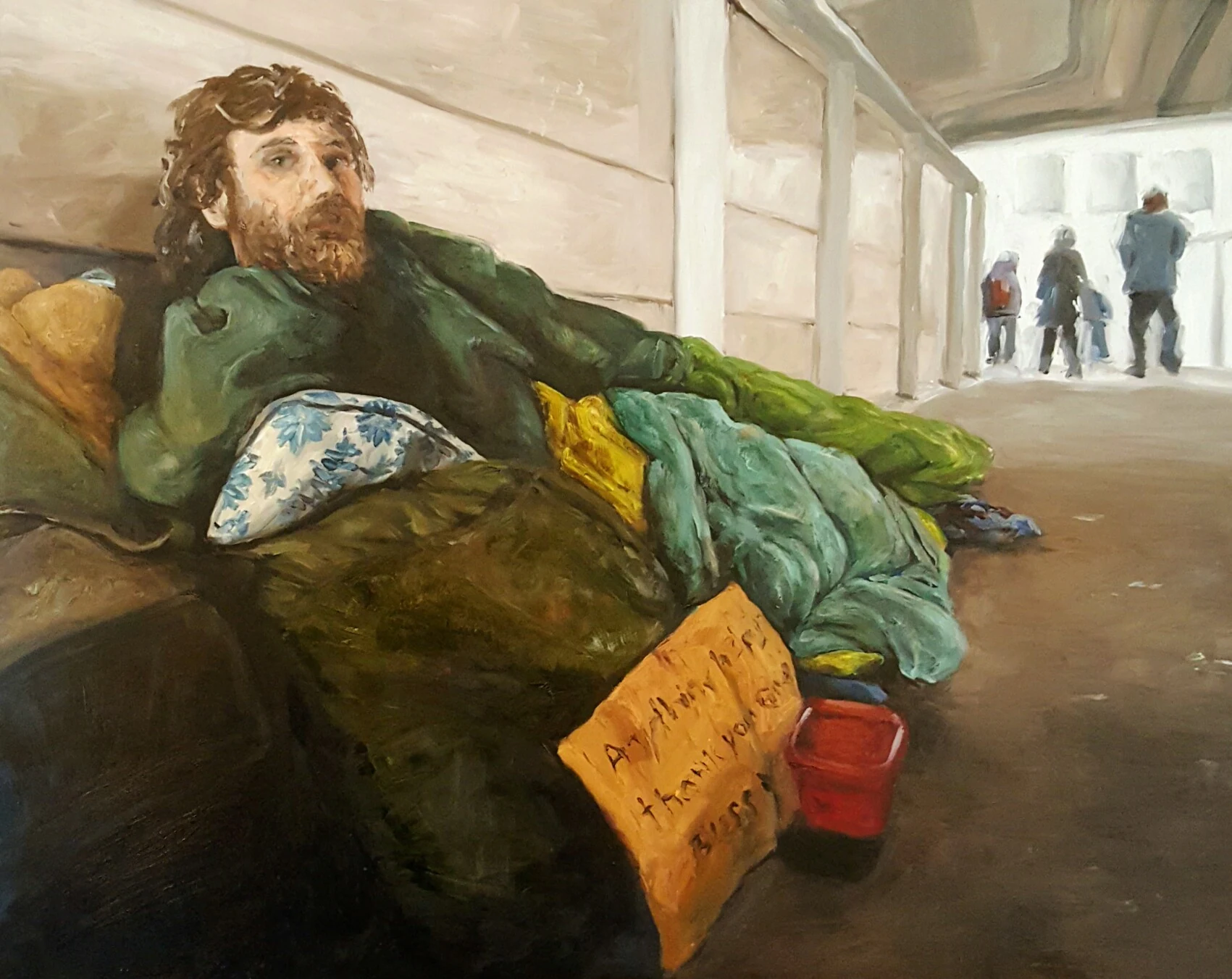
In 2015, after a period of severe burnout and depression following his exit from the tech industry, Andrew Conru began painting. Not as a professional. Not for exhibition. But as medicine.
He painted 365 works in a single year, one per day, without exception. Most were small. Many were terrible. That wasn't the point. The point was the discipline of daily attention. The act of looking at the world carefully enough to translate it into paint. Every day. No matter what.
What he discovered was what contemplatives and craftspeople have always known: a daily practice of sustained attention is itself a form of healing. Not the output, the practice. The showing up. The looking. The attempt to get it right.
Designing Your Practice
A Rehumanist daily practice has three components:
- Seeing (15-30 minutes) Before you make anything, look. Go outside. Sit in a cafe. Watch light move. Notice the specific color of a shadow, the exact gesture of someone reading their phone, the way tree branches interrupt the sky. This is training your eye, the most important tool you have. Carry a small sketchbook. Not to make "good drawings" but to record what you notice.
- Making (1-3 hours) This is studio time. If you have an hour, paint for an hour. If you have three, use three. The length matters less than the consistency. Show up every day. The muse rewards regular visitors.
- Reflecting (10 minutes) At the end of each session, write 2-3 sentences. Not about technique ("the values were off in the shadows") but about intent: "I was trying to capture the way her posture softened when she thought no one was looking. I think I got close." This tethers the work to its purpose.
The practice is not about producing masterworks every day. It's about maintaining the connection between your eye, your hand, and your heart. On good days, beautiful things will emerge. On bad days, you'll be terrible. Both are fine. What matters is that you don't break the chain. The chain is the practice.
Create a realistic weekly schedule that includes:
- 3 "seeing" sessions — morning observation walks, cafe sketching, or nature study
- 5 "making" sessions studio time (even 45 minutes counts)
- Daily reflection a 3-sentence journal entry after each session
- 1 "nourishment" session visiting a gallery, reading about art, studying a master painting online
Pin this schedule to your studio wall. Follow it for 30 days without modification. At the end of 30 days, adjust based on what actually worked.
Community as the Product
Painting alone is hard. Painting next to people who care is easier, and a lot more fun. The Seattle Prize studio runs on this, and you can build your own version.
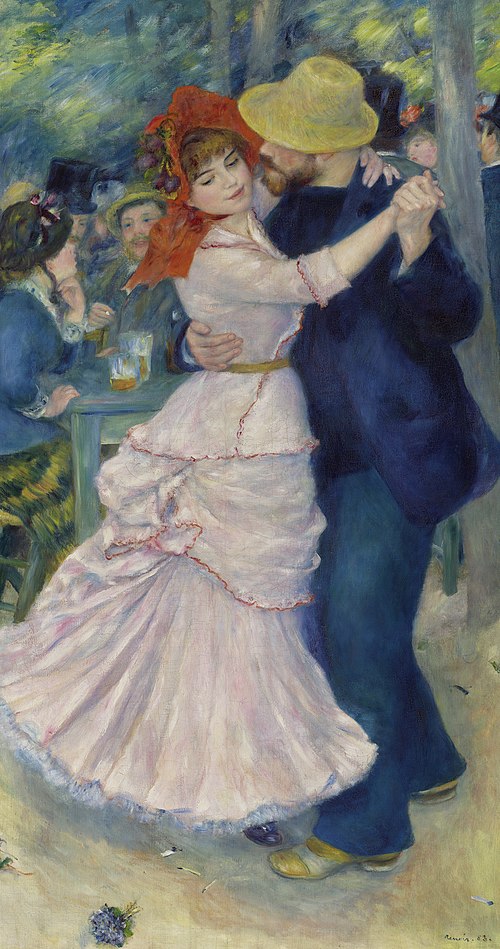
What a Shared Studio Gives You
The best part of a shared studio isn't the space. It's the people: painters working side by side, honest critiques, the studio as a gathering place.
Why does this matter?
- Accountability. It's hard to skip a studio day when other people are already there, working. The group creates a gravity that pulls you in.
- Constructive pressure. Seeing a colleague solve a problem you're struggling with, or attempt something braver than you've dared, raises everyone's ambition.
- Emotional support. The "dark night of the soul" that every ambitious painter hits midway through a major work is infinitely more bearable when someone next to you says: "Yeah, I went through that too. Keep going."
- Cross-pollination. One painter notices how another handles light. Someone borrows a composition idea from a neighbor's research. A room full of painters knows more than any one of them.
Building Your Own Creative Community
You don't need a fellowship to build this. You need:
- 3-6 artists who share your values (not necessarily your style)
- A regular meeting time — weekly or biweekly, non-negotiable
- A structure not just "hanging out" but: show work → give honest feedback → discuss challenges → set intentions for next meeting
- A shared commitment to beauty, truth, love, and the belief that art has a purpose beyond self-expression
Organize a critique session with at least 2 other artists (in person or video). Use this Rehumanist critique structure:
- First response (2 min): What do you feel standing in front of this work? No analysis, just emotional response.
- The three pillars (3 min each): Where do you see Beauty? Truth? Love? Be specific, point to passages, gestures, color choices.
- The gap (3 min): Where is the gap between the artist's intention and the viewer's experience? What's not quite landing?
- The gift (2 min): What's the most generous interpretation of this work? What is it trying to be at its best?
This framework keeps critique constructive, specific, and grounded in shared values — rather than degenerating into personal preference arguments.
Art in the World
Getting your work seen, communicating "art with purpose" without being preachy, and engaging collectors and the public.
Talking About Your Work
One of the hardest things for Rehumanist artists is articulating what they do without sounding naive, preachy, or anti-modern. Here's a framework:
The Three-Part Statement
- What you make: Start with the concrete. "I paint narrative figurative work in oil." Clear, simple, no jargon.
- What it's for: The purpose. "I want my paintings to do what the best art has always done, help people feel less alone, remind them that beauty exists, and offer a moment of genuine human connection."
- Why now: The context. "In a world increasingly mediated by screens and algorithms, I believe the handmade, deeply observed painting has become more necessary than ever."
That's it. No manifesto. No ideology. Just a clear, honest statement of what, why, and why now. Most people will lean in rather than back away, because the values (beauty, connection, humanity) are universal.
Engaging Collectors Without Selling Out
A common fear: "If I make art that serves the viewer, am I just making commercial art? Am I pandering?"
No. And here's why: the art market is dominated by art that serves status buying a name, signaling sophistication, investing in a financial asset. Rehumanist art serves the soul. That's a fundamentally different proposition.
The collector who buys your painting because it makes them feel something real every time they see it on their wall is a partner, not a customer. They're investing in the function of art, its ancient, legitimate function — not in a brand.
Write your three-part statement (What I make / What it's for / Why now). Read it aloud to someone who is NOT an artist. If they lean in, you're on the right track. If they glaze over, simplify. The test is: does a non-artist get it?
The Bet We're Making
Declaring your values. Joining the movement. Carrying the question forward: "Does this bring more light into the world?"
Placing Your Bet
Across the first five workshops, we've built a framework:
- Art has a job to do and that job is to comfort, connect, heal, and elevate. (Workshop 1)
- The human figure is the most powerful tool we have for creating empathy and narrative. (Workshop 2)
- Some stories never get old. A handful of human themes keep coming back, and each generation gets to retell them. (Workshop 3)
- Art can comfort. A painting that sees you can make a hard day lighter and a lonely person less alone. (Workshop 4)
- Craft is not ego but generosity: the better your skill, the more you can offer the viewer. (Workshop 5)
- This is a daily practice and a community effort, not a lone genius in a garret but a network of people who believe art matters. (this workshop)
Now it's time to make it personal. The movement grows one artist at a time, one painting at a time, one viewer at a time.
The Rehumanist Commitment
This isn't a contract. There's no membership card. It's an orientation, a way of approaching your work and your life as an artist. If it resonates, carry it forward:
I commit to creating art that serves the human spirit.
I will pursue Beauty not as decoration, but as nourishment for the nervous system and the soul.
I will pursue Truth honest observation rendered with integrity, never cynicism.
I will pursue Love making work that considers the viewer's experience as primary. Art as a gift, not a transaction.
I will master my craft — not for my own glory, but because the viewer deserves the full power of what painting can do.
I will build community, sharing what I learn, supporting fellow artists, and resisting the isolation that diminishes us all.
And I will carry this question into every painting I make:
"Does this bring more light into the world? Does it help someone feel seen?"
Write a one-page document that brings together everything you've developed across these workshops:
- Your artistic philosophy statement (from Workshop 1)
- The themes and stories you want to explore (from Workshop 2)
- The human theme you most want to retell (from Workshop 3)
- The wound your art addresses and the comfort it offers (from Workshop 4)
- Your craft development plan, the skills you're building and why (from Workshop 5)
- Your daily practice structure and community plan (from this workshop)
- Your three-part statement for the world (from this week)
This document is your North Star. Print it. Pin it to the studio wall. Read it when you're lost. Update it as you grow. It is the living record of your commitment to making art that matters.
1. What has changed in how you think about your work since Workshop 1?
2. What is the first painting you want to make with this full framework in mind?
3. Who will you share this with? Rehumanism grows by attraction. Your work is the invitation.
Welcome to the movement. Now go paint something that matters.