Archetypes in the Studio
A field guide to recurring human themes that painters have explored for centuries, and questions for deciding whether you want to retell them now.
The Universal Human Script
There are maybe 30 stories in the world. Every painting you admire is telling one of them. Once you see the pattern, you'll never run out of subjects to paint.
Why "Finding a Subject" Feels Hard
Every painter hits the same wall: What should I paint? Not "what technique should I use", you've studied that. But what story is worth the hundreds of hours a serious painting demands?
The answer is hiding in plain sight. The greatest paintings in history all draw from the same well: a small set of archetypal human experiences that every person in every culture has always recognized. Love. Loss. Courage. Sacrifice. Coming of age. The search for meaning. The confrontation with mortality.
These aren't "old-fashioned" themes. They're permanent themes. They were true in ancient Greece and they're true in 2026. What changes is the setting, the costume, the visual language. Your job as a contemporary painter is to take these eternal stories and dress them in the world you actually see.
Don't invent themes. Discover them, in the news, in your neighborhood, in your family, in your own fears and hopes. Then recognize which archetype they belong to. That gives your painting depth it couldn't have if you were painting "from scratch." You're painting from the deepest layer of shared human experience.
How to Use This Workshop
The next seven weeks each explore a major archetypal theme. For each one, you'll see:
- The archetype — what it is, why it resonates
- Historical examples master paintings that tell this story
- Contemporary retelling ideas how to paint this theme using modern life
- A studio prompt a specific painting concept for you to develop
By the end, you'll have a library of at least 7 fully developed painting concepts, any one of which could become your next masterwork.
Before we begin, write down the 5 strongest emotions you've felt in the past year. Not "happy" or "sad" — be specific: "The terror of watching my father forget my name." "The unexpected tenderness of a stranger helping me carry groceries." "The guilt of having enough when others don't."
Keep this list. By the end of this workshop, you'll match each feeling to an archetype, and have a painting concept for each one.
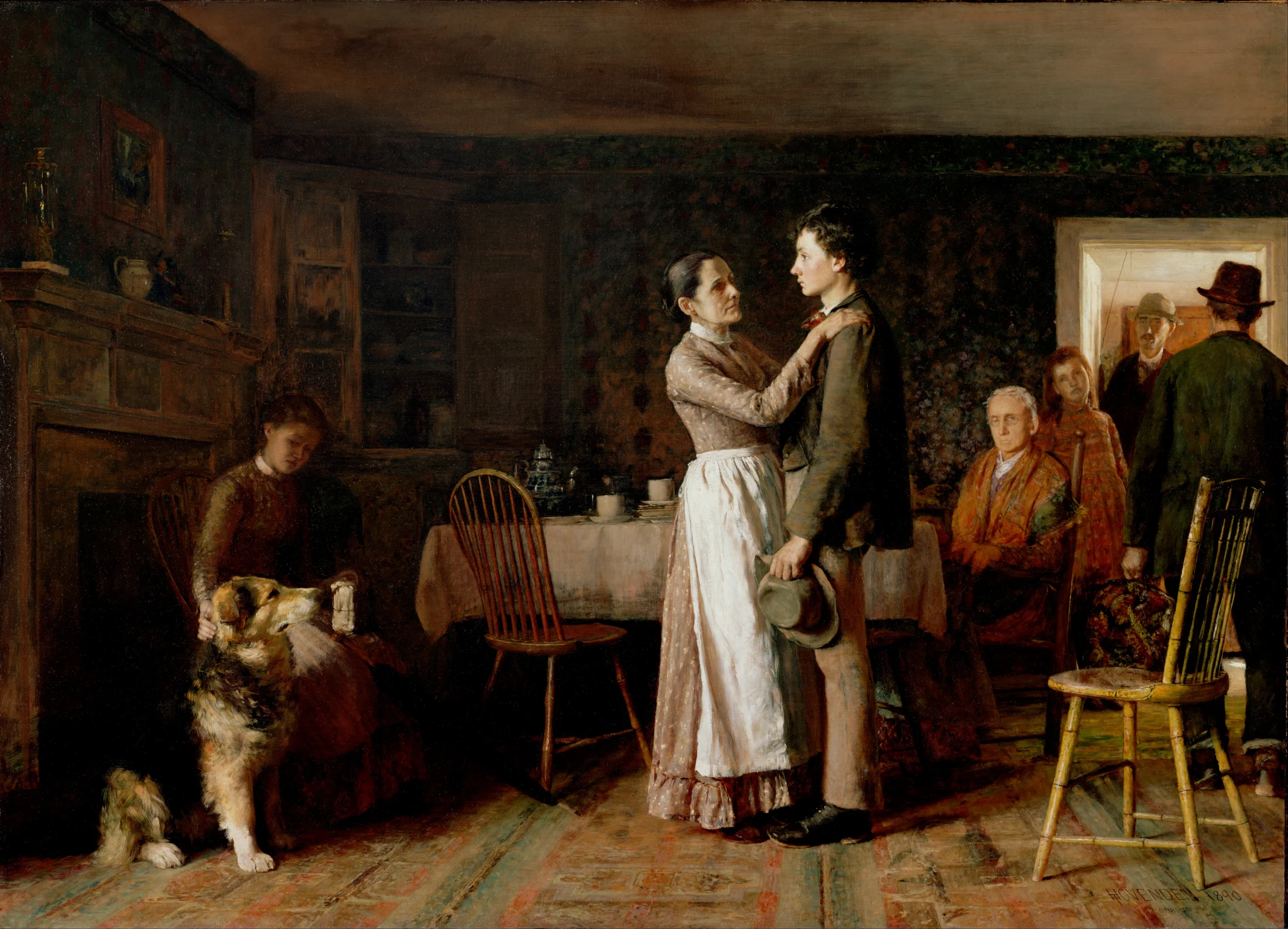
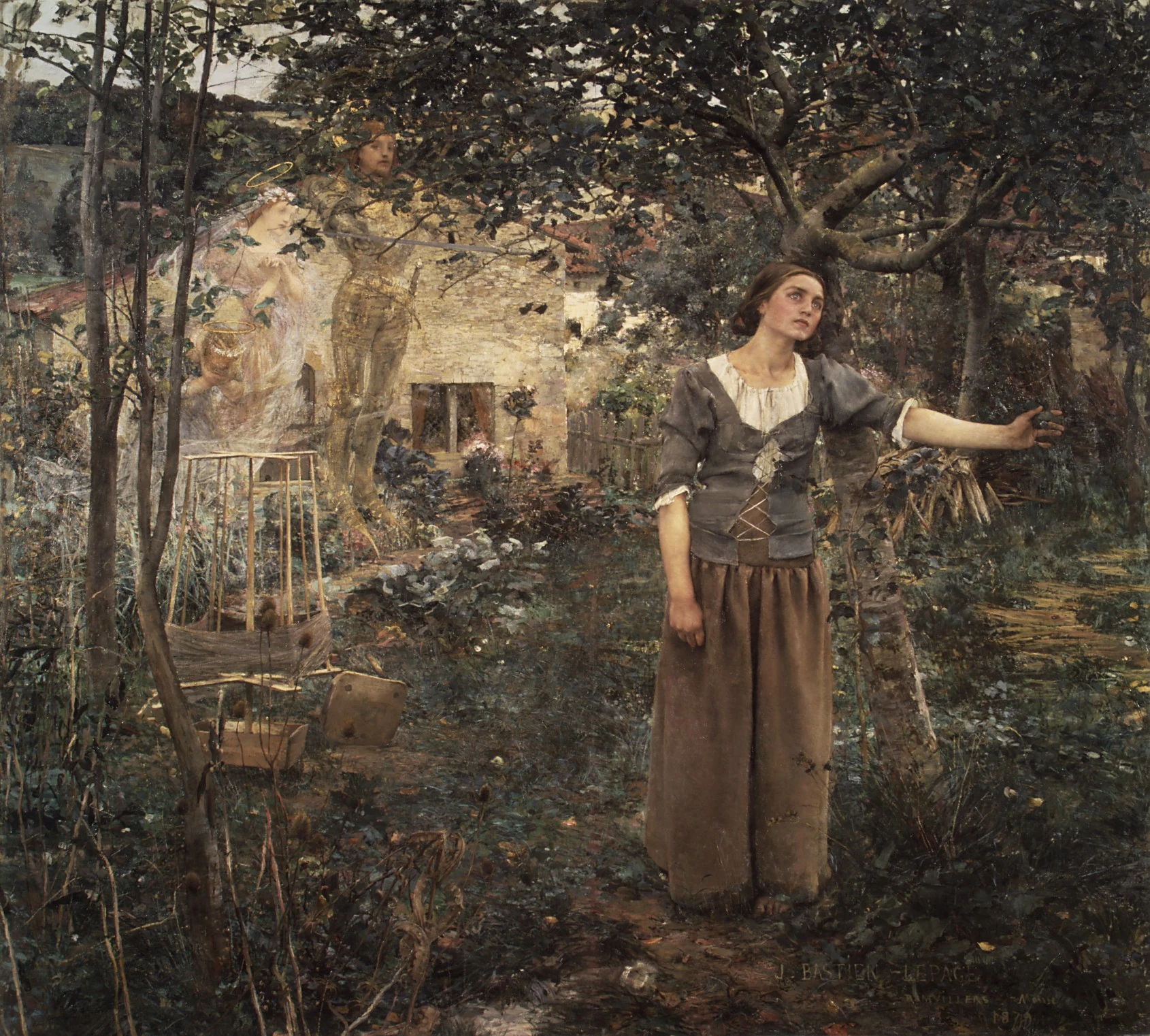
The Threshold
Departure, transition, stepping into the unknown. The moment before everything changes.
Contemporary Retellings
The threshold is everywhere in modern life. Consider:
- A college freshman's dorm room the first night alone, surrounded by boxes, the phone untouched because calling home would break the spell of independence.
- An immigrant at the airport arrival hall suitcase in hand, looking at signs in a language they're still learning. Everything behind them is gone. Everything ahead is unwritten.
- A recovering addict on their first sober morning the coffee, the too-bright light, the terrifying possibility that this time might be different.
- A retiree's last day at work cleaning out the desk, the nameplate taken down. Who are you when the role is removed?
The Burden
Labor, sacrifice, endurance. The weight we carry for others, and the dignity found in carrying it.
The Archetype
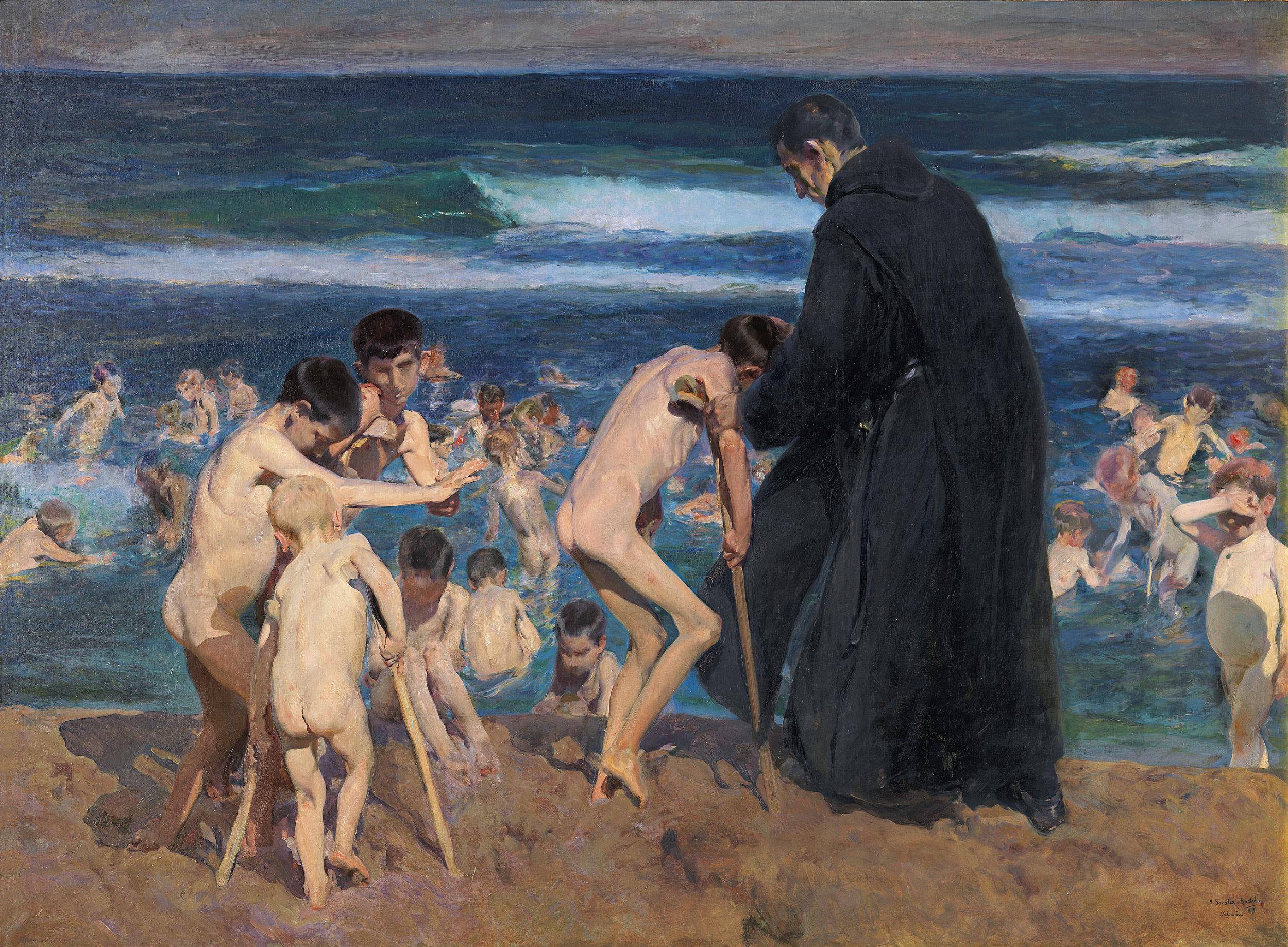
The Burden is one of the most powerful archetypes because nearly everyone carries one. A caretaker's exhaustion. A parent working two jobs. A first-generation student carrying the hopes of an entire family. The person who holds it together so everyone else can fall apart.
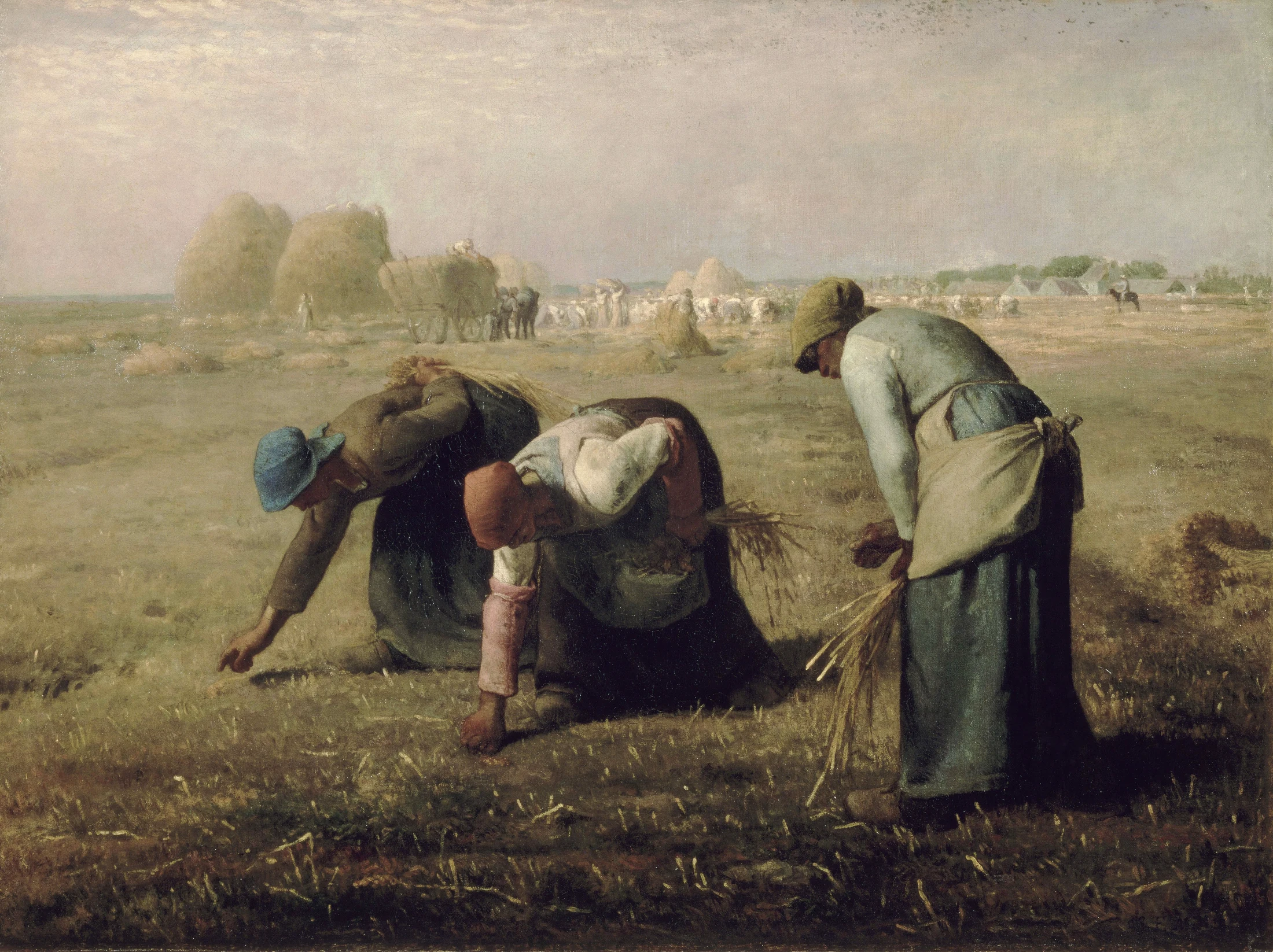
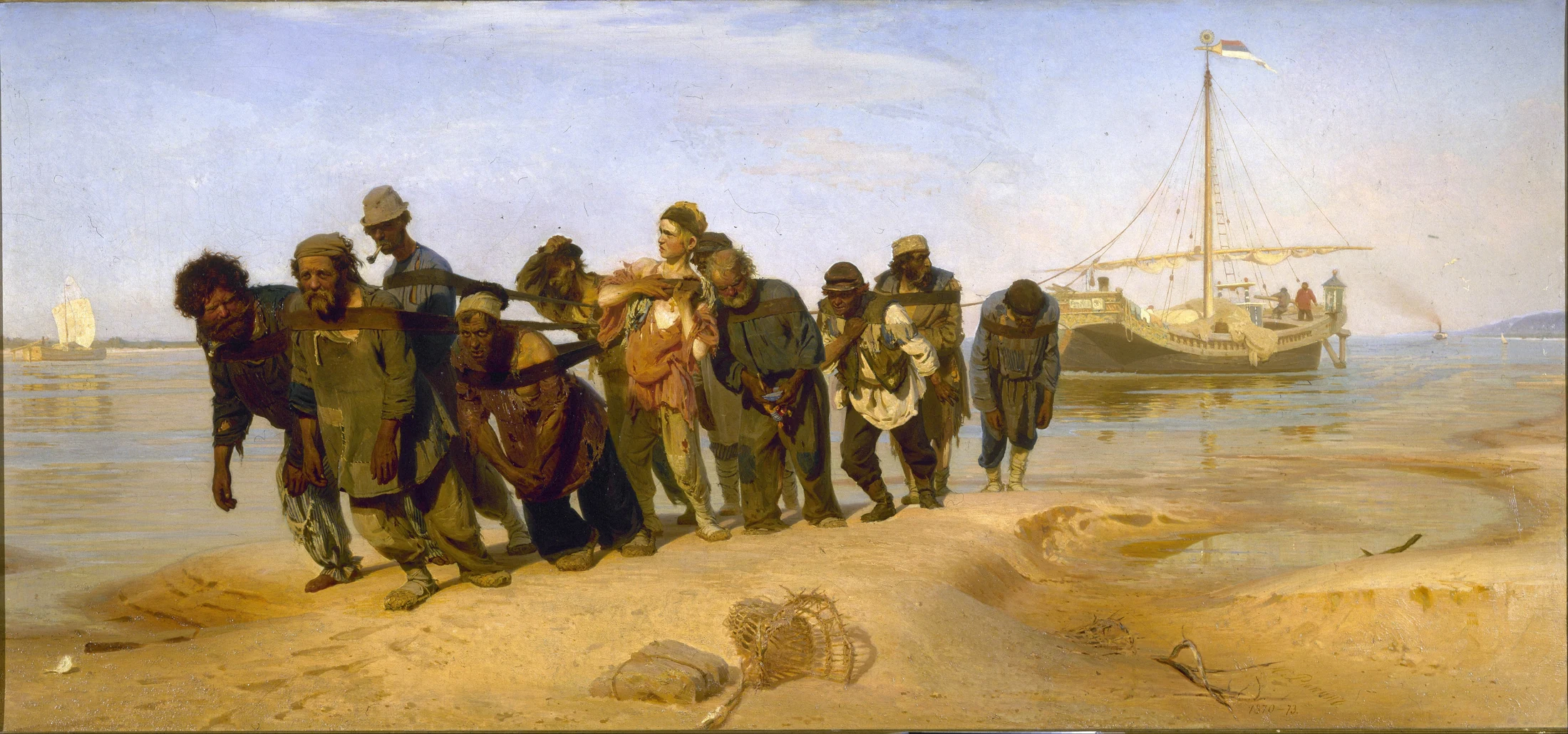
What makes this archetype so paintable is the tension between weight and grace. Millet's gleaners are bent under labor, but rendered with such beauty that their work becomes sacred. Repin's haulers are crushed by their load, but each face burns with individual spirit.
Contemporary Retellings
- A nurse at the end of a double shift — still gentle with a patient, though her feet are past feeling. The fluorescent light is harsh; her hands are soft.
- A single mother on the bus at 6am a sleeping child's head on her shoulder, a lunch bag on her lap she packed at midnight. Her eyes are closed but she isn't sleeping.
- A teenage sibling caring for younger brothers homework spread on the table, a toddler on one hip, mac and cheese on the stove. Playing parent before being allowed to finish being a child.
- An elderly person shoveling their own walk the determination to not be a burden on others, even as the body protests. Independence as its own kind of weight.
The Bond
Love, intimacy, belonging. The hunger to be known by another person — and the vulnerability it requires.
The Archetype
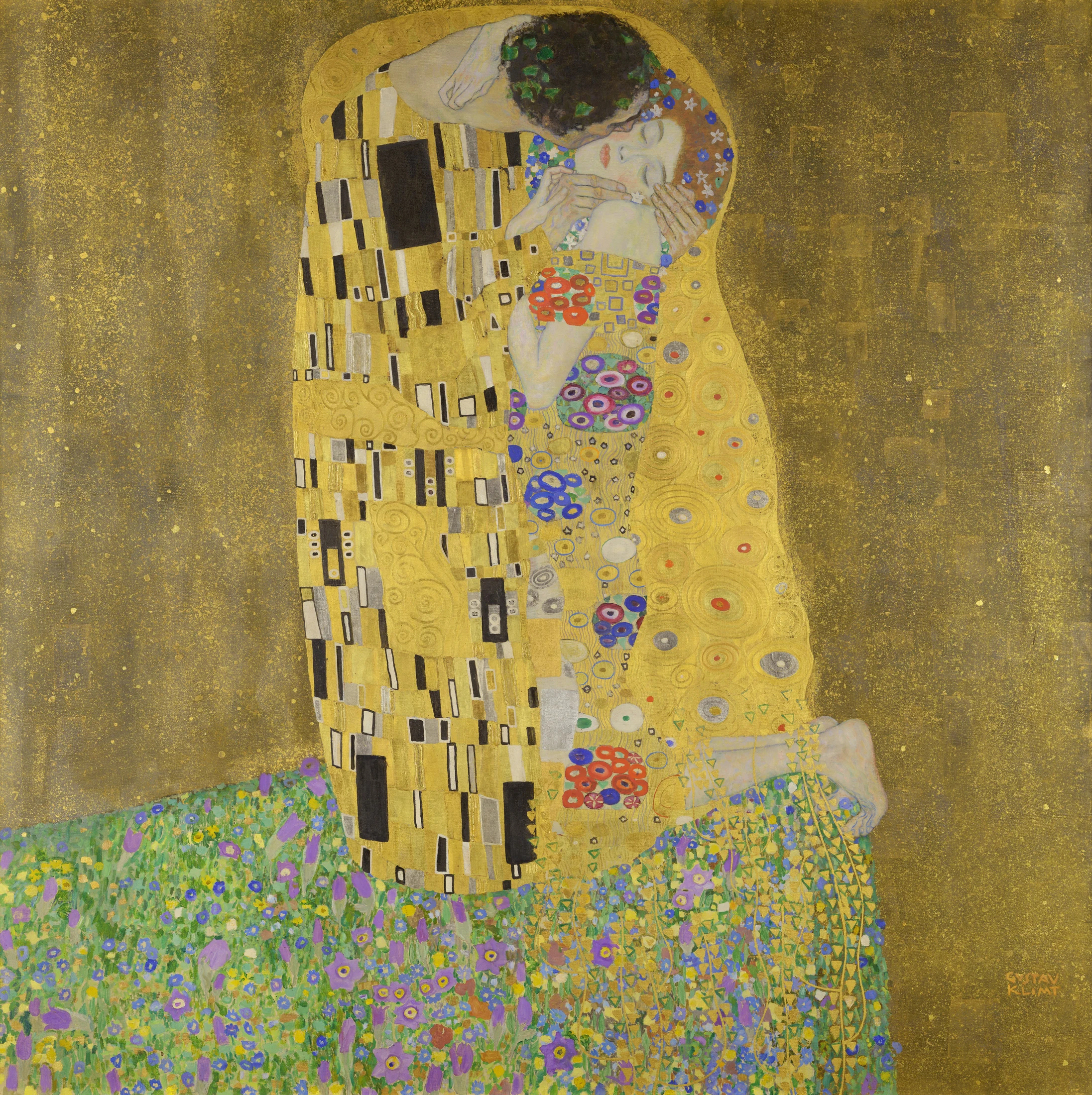
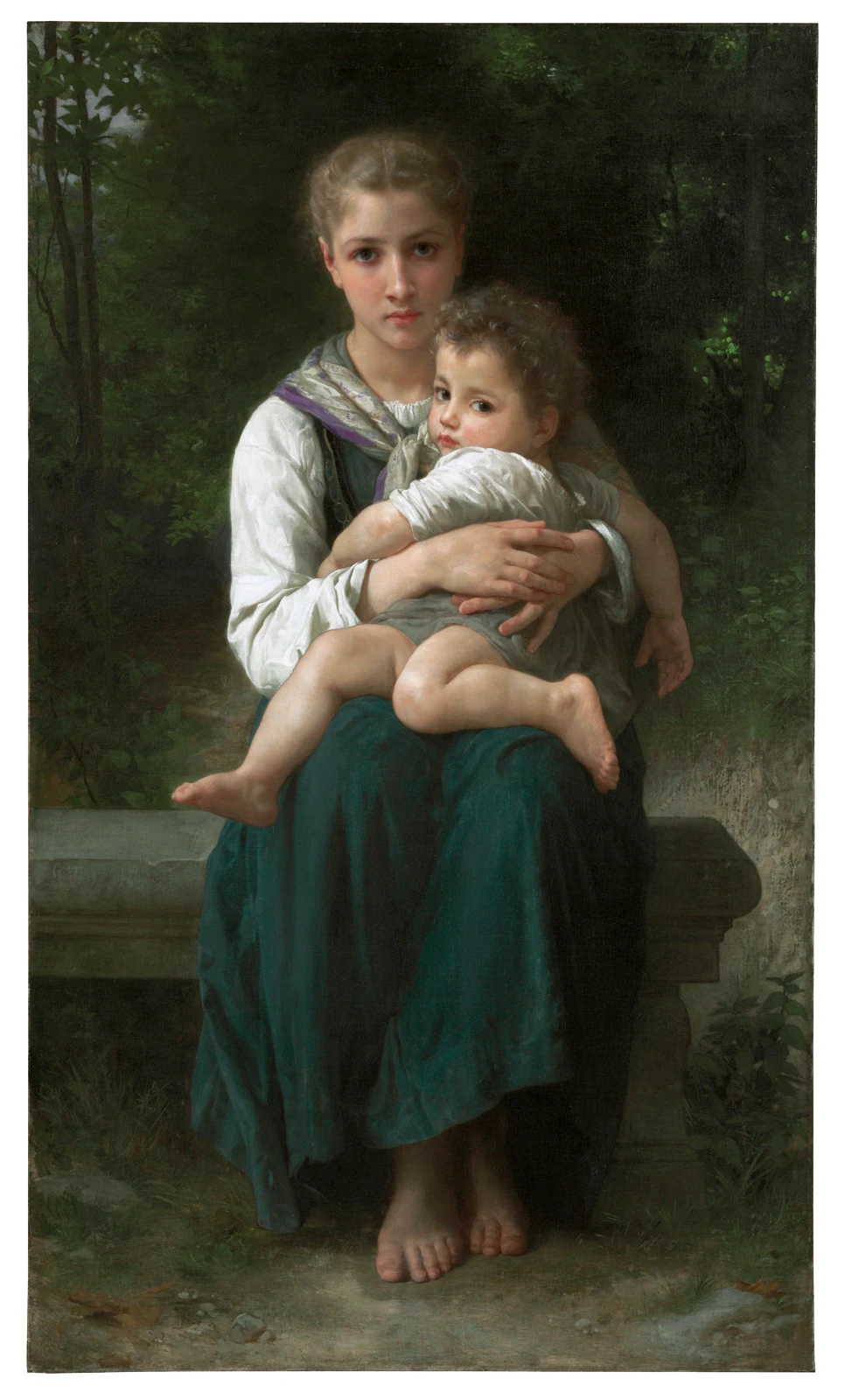
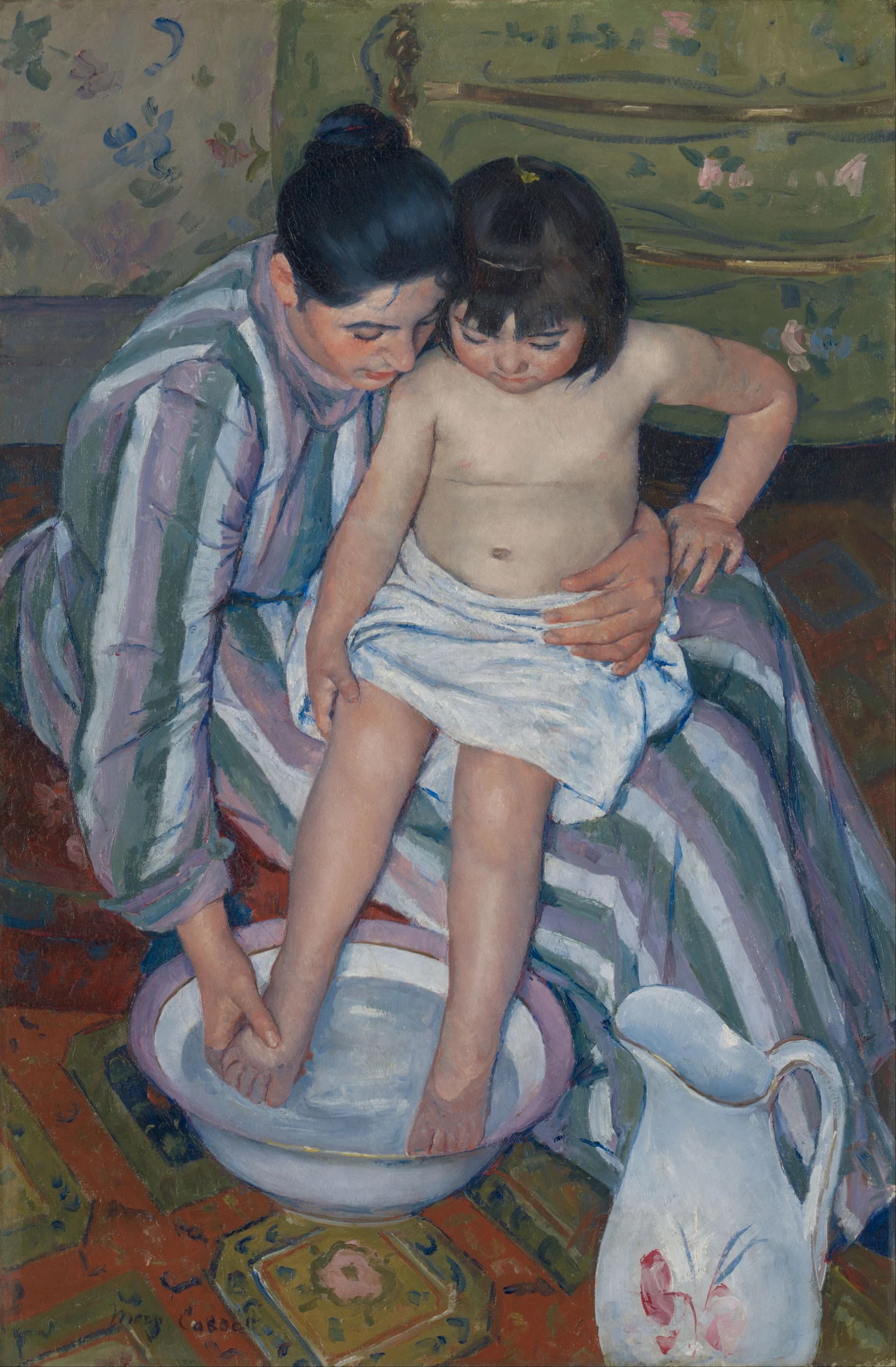
Human beings are wired for connection. The Bond archetype captures the moments when that wiring is activated, the spark of recognition between strangers, the comfortable silence of long partnership, the fierce protectiveness of a parent, the wordless understanding between siblings.
What makes this dangerous territory for painters is sentimentality. The easy version, soft-focus couples, angelic children — rings false. The powerful version shows the cost of connection: the vulnerability, the fear of loss, the compromise, the beauty of choosing another person's needs over your own comfort.
Contemporary Retellings
- An elderly couple at a diner counter not talking, not needing to. One reaches for the salt; the other passes it before being asked. Fifty years of knowing.
- Two friends sitting on a stoop after a funeral one has been crying. The other is just there. The gift of presence without the pressure of words.
- A father braiding his daughter's hair before school clumsy fingers, total concentration. The tenderness of doing something badly because love requires it.
- Strangers on a subway sharing earbuds — a brief, anonymous moment of connection that neither will remember by evening. But for now, they're listening to the same song.
The Wound
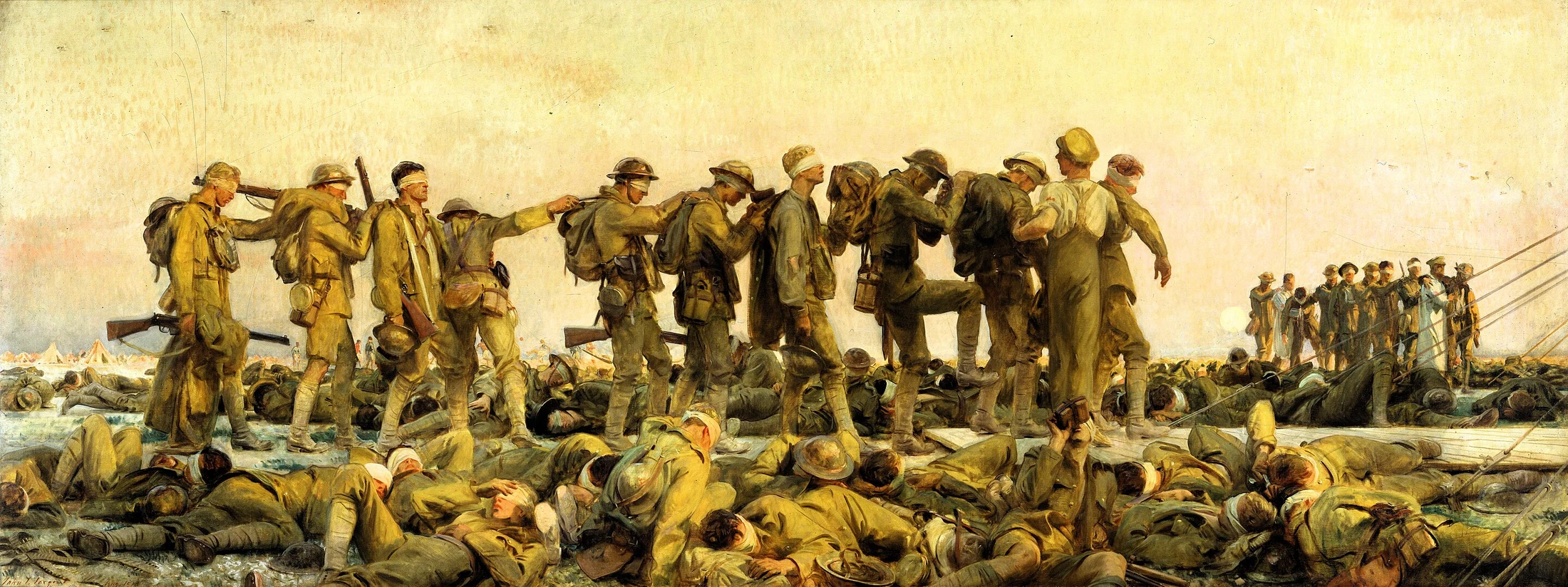
Grief, loss, suffering, and the strange beauty that emerges when pain is honestly witnessed.
The Archetype
The Wound is the archetype artists are most afraid of, because getting it wrong feels exploitative. Pain tourism. Grief porn. But getting it right produces the most powerful art humans have ever made.
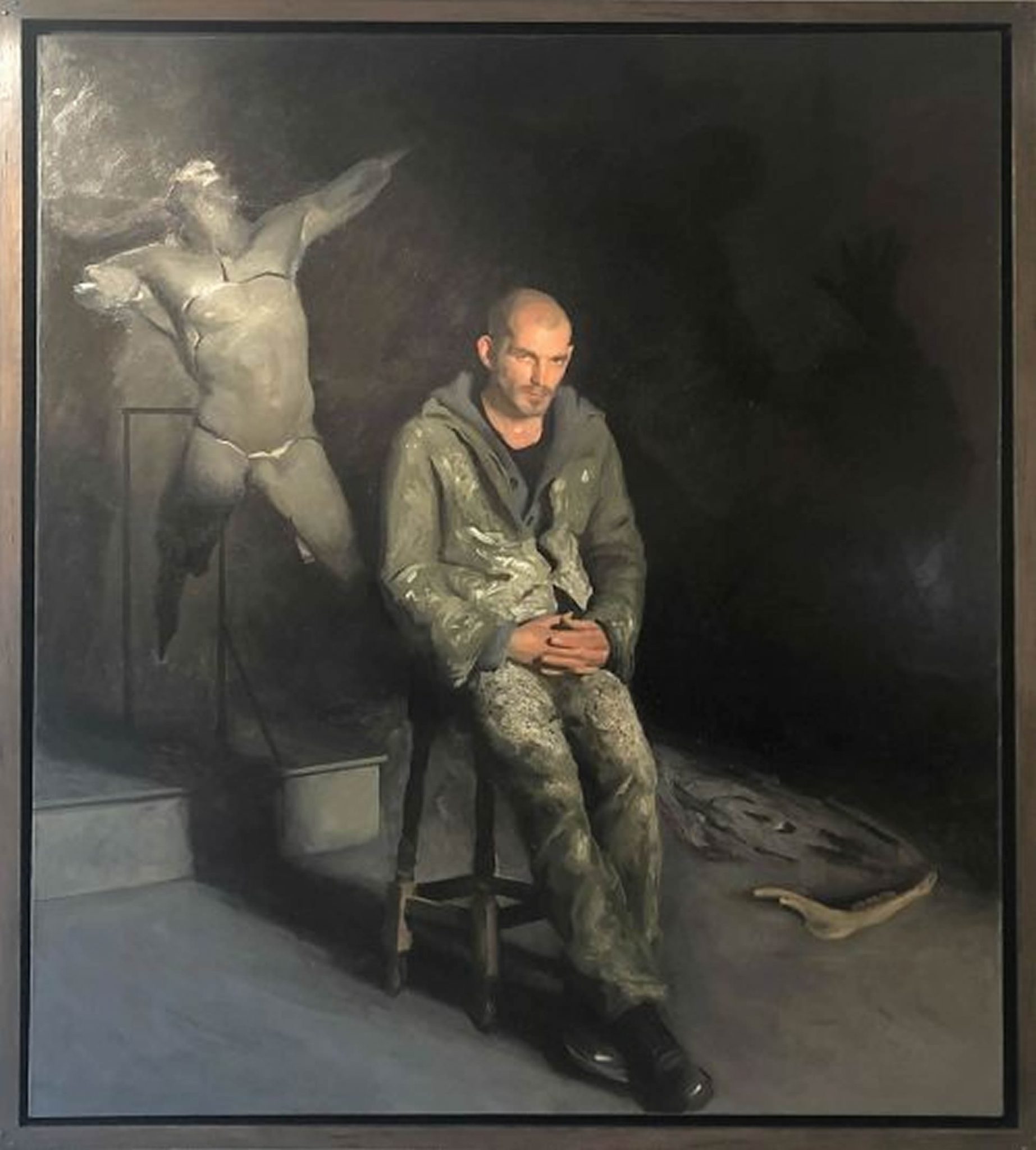
The difference is stance. Exploitative art looks at suffering from above — "look at these poor people." Rehumanist art looks at suffering from alongside "I see this. I'm here with it. I won't look away, and I won't rush to fix it."
Contemporary Retellings
- An empty chair at the Thanksgiving table the place setting still there, the family eating around the absence. Grief as the shape of what's missing.
- A person sitting in a hospital hallway the door is closed. They're waiting for news. The fluorescent light, the terrible plastic chair, the hands that don't know what to do.
- A child's bedroom after they've left for college — the bed still made, posters still on the wall. The room a museum of who they were. The parent standing in the doorway.
- A person scrolling through photos of someone who died the phone's blue light on their face in a dark room. The past alive in pixels, the present unbearable.
The Sanctuary
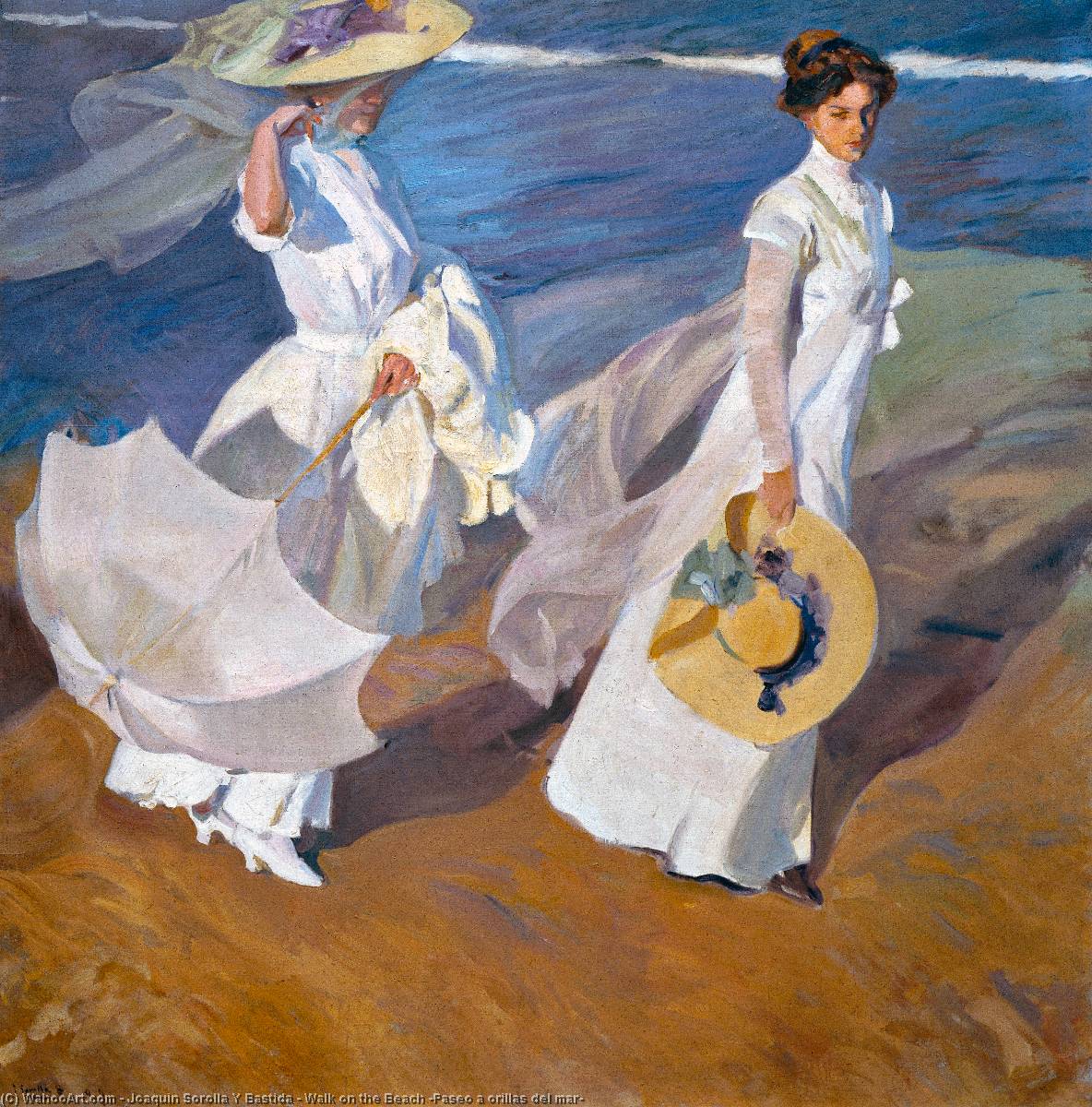
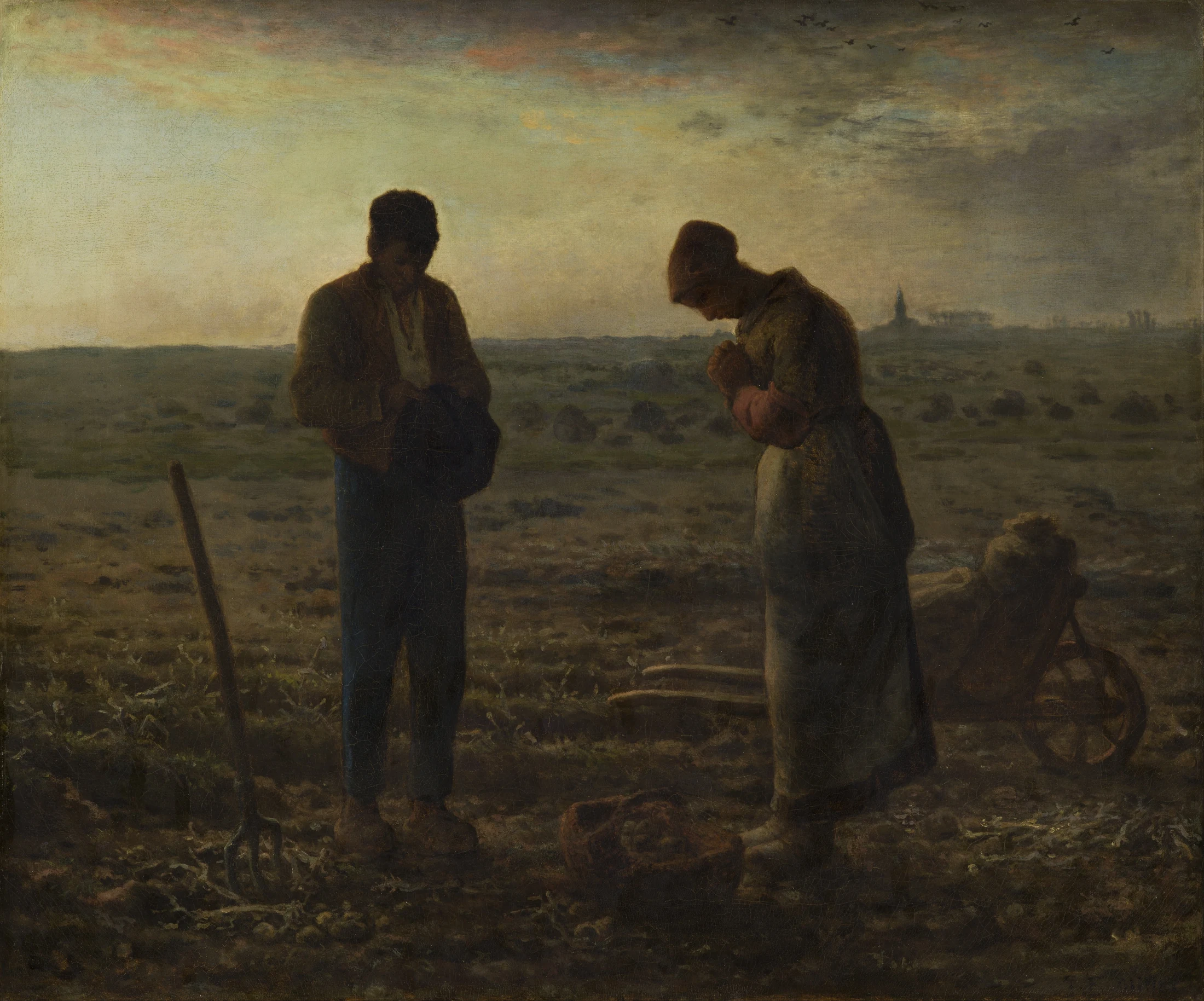
Rest, refuge, the sacred ordinary. The places where we go to remember who we are.
The Archetype
In a world of constant noise, constant demand, constant scroll — the Sanctuary is the space where it all stops. Not escape (that's avoidance). Sanctuary is where you go to be restored so you can re-enter the world.
This archetype is increasingly urgent because sanctuaries are disappearing. The third place is gone. The library is loud. The park has Wi-Fi. Where do people go to simply be without producing, consuming, or performing?
Contemporary Retellings
- A woman reading in a bathtub the only locked door in the house. Steam rising. The book she's had for months, finally opened. The radical act of being unavailable.
- A man alone in a church on a Tuesday not praying exactly, just sitting. The light through stained glass on an empty pew. Not religious; just in need of silence.
- A garden at dawn before anyone else is up hands in soil, coffee growing cold on the step. The only hour that belongs entirely to you.
- An artist's studio at 2am — the world asleep, the painting alive. The deep focus that only comes when no one is watching or waiting.
The Reckoning
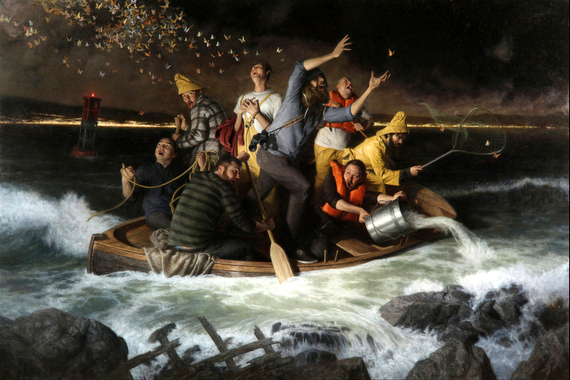
Conscience, moral choice, the moment you see yourself clearly, and decide who you want to be.
The Archetype
The Reckoning is the moment of moral clarity. The mirror held up. The choice that reveals character. It's Scrooge seeing his own grave. It's the bystander who finally intervenes. It's the person who realizes they've become someone they don't recognize, and decides to change.
This archetype is powerful because it activates the viewer's own conscience. When a painting captures a reckoning honestly, the viewer doesn't just see the figure's moral moment — they feel their own.
Contemporary Retellings
- A tech worker looking at their screen the algorithm they built, the engagement metrics climbing. The teenagers on the other end they've never met. The moment it stops being abstract.
- A parent seeing their own anger reflected in their child's face the child flinching. The realization that you've become the thing you swore you wouldn't be.
- A wealthy person walking past a homeless encampment not looking away this time. Actually seeing. The discomfort of proximity to suffering that your success was supposed to insulate you from.
- A person deleting social media the phone in one hand, the other hand hesitating. Who am I without the performance? The reckoning with the constructed self.
The Celebration
Joy, communion, the permission to be fully alive. The hardest thing in the world to paint without it turning saccharine.
The Archetype
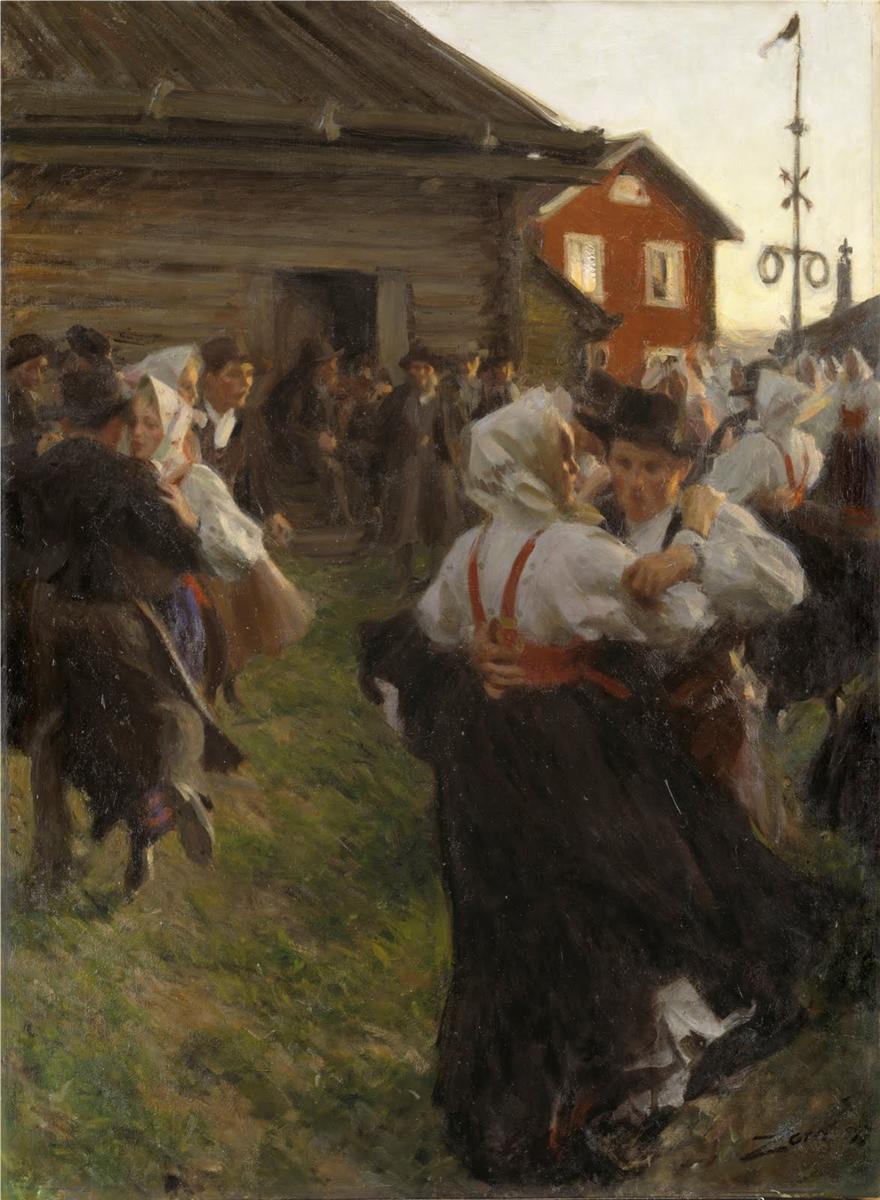
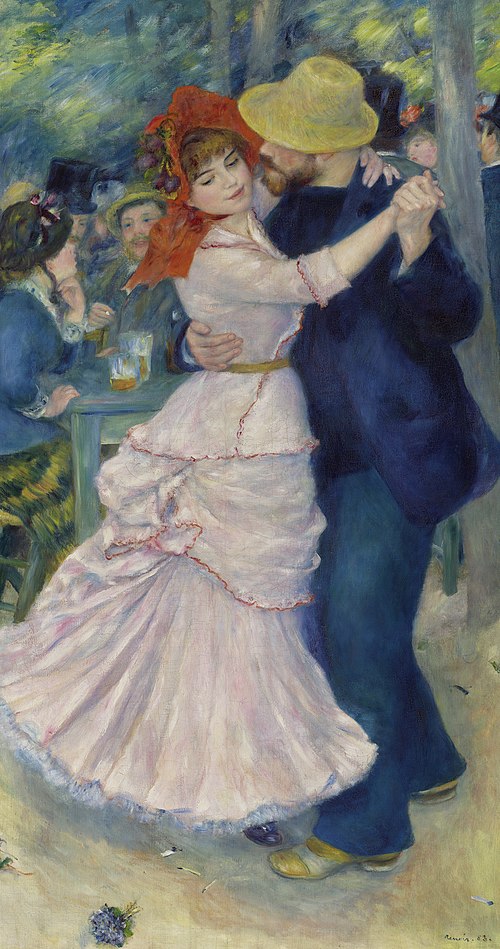
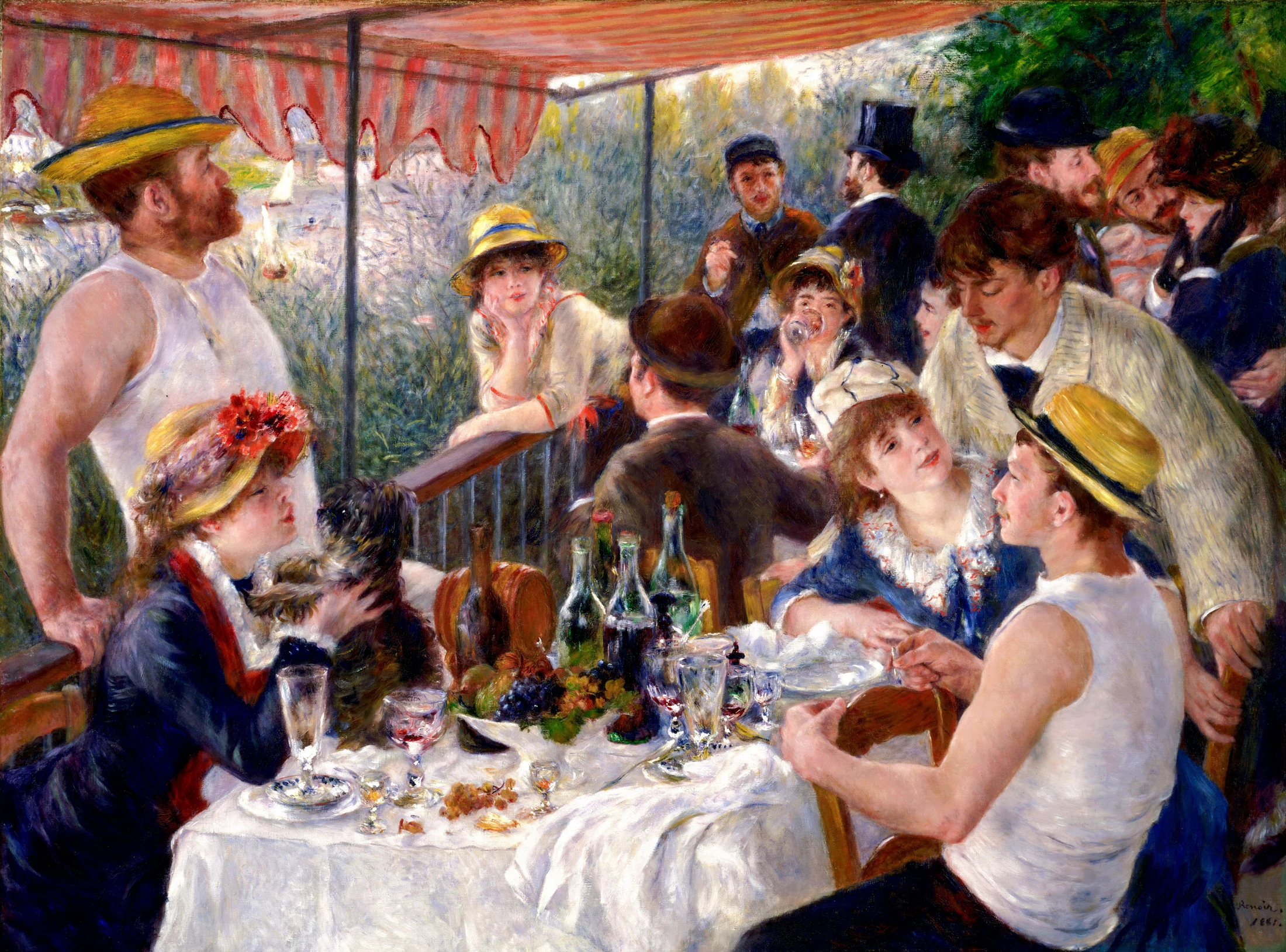
Joy is the archetype painters struggle with most. It's easy to make it corny. Easy to make it look like a stock photo. The difference between genuine celebration and "happiness content" is the same difference we've been studying all along: specificity and truth.
Renoir's dancers are specific people, he knew them. Zorn's midsummer revelers are a real community in a real place. The joy in these paintings is earned because it's rooted in something real: a particular night, a particular song, a particular person's arm around your waist.
Contemporary Retellings
- A backyard cookout in summer not a catalog shoot. Real people: the uncle who's had too much beer, the toddler covered in watermelon, the teenager pretending to be bored but secretly happy to be there. The light is golden. The day is almost over.
- A band playing in a dive bar to twelve people the drummer is grinning. The bassist has his eyes closed. The bartender has stopped working to watch. Joy that has nothing to do with success.
- An elderly couple dancing in their kitchen no music, or maybe the radio. His hand on her waist. They've done this ten thousand times. It still matters.
- The moment after a hard exam students streaming out of a building, someone laughing with relief, someone calling their mom, the specific giddiness of a burden temporarily lifted.
Your Portfolio of Stories
You now have at least 7 fully developed painting concepts, one for each archetype:
- The Threshold departure, transformation, the suspended breath
- The Burden labor, sacrifice, dignity under weight
- The Bond love, intimacy, the gesture that reveals connection
- The Wound — grief, loss, absence made visible
- The Sanctuary rest, refuge, the sacred ordinary
- The Reckoning conscience, moral clarity, the face of recognition
- The Celebration joy, communion, the permission to be alive
Any one of these could be your next masterwork. The archetype gives it depth. Your contemporary setting gives it relevance. Your craft gives it beauty. Your intention gives it love.
1. Which archetype spoke to you most strongly? Why? (That's probably your next painting.)
2. Look at your Emotional Inventory from Week 1. Can you now match each feeling to an archetype?
3. Which contemporary retelling idea made you think "I need to paint that"? Start sketching thumbnails today.
The world doesn't need more paintings. It needs more paintings that matter. Now you know what matters. Go paint it.