

Loading...
About the Seattle Prize
What happens when an artist and a patron agree to make an ambitious work for the public, without asking whether the market would have commissioned it first? The Seattle Prize is the Conru Art Foundation's way of finding out.
For artists
The prize exists so a small number of artists can attempt ambitious, meaningful work. Time, a studio, and demanding peers create the conditions serious painting actually needs.
For visitors
When the work leaves the studio for the first-floor gallery at Occidental Fine Arts, it meets people who did not make it and do not owe it anything. We look for painting that can remind a stranger of shared humanity, and of the full range of human emotion, not as a lecture, but as something they can stand in front of and feel.
Why we do this
We call this Rehumanism. It is a conviction of the Foundation, not a scorecard for applicants.
Art has the power to remind us that we share a life, and that feeling is not a small thing. Traditional figurative and narrative realism are the forms this prize trusts most to carry that power.
We strive for work that can hold a visitor through beauty, recognition, grief, humor, or dignity, and still matter after they walk away. We are not asking artists to perform a theory. We are looking for work with that power.
The measure of the prize is not the ceremony. It's whether a visitor leaves with something that still matters.
Patronage, then and now
We're trying to bring back the old tradition of full support for artists, and make it work today.
The program has two connected parts. The fellowship supports an artist's practice and development within a cohort. Separately, the Foundation selectively commissions or acquires work through an individual agreement. Participation in the fellowship does not make every studio work a Foundation project.
Our name is a nod to the Prix de Rome, the fellowship Louis XIV established in 1663. It sent France's most promising painters, sculptors, and architects to study at the Académie de France in Rome. For more than three centuries, the Prix de Rome gave artists years of time, a studio, a stipend, and a community of peers, so they could make ambitious work without commercial pressure. Many great artists came out of it. The Seattle Prize tries to do the same for today's figurative painters.
Many talented artists face a hard choice: make the work they most believe in, or make work that pays the bills. “Slow art” takes deep thought, a long time to develop, and great skill, and it often struggles to find support in a fast, commercial art world. The Seattle Prize is our answer to that.
We believe great art, the kind that speaks to what we all share as people, needs more than an occasional grant. It needs steady, all-around support. So our fellows get a stipend, and also a studio, materials, mentorship, and other artists to work alongside.
We look after the artists so they can make work that means something to everyone who sees it.

The collection
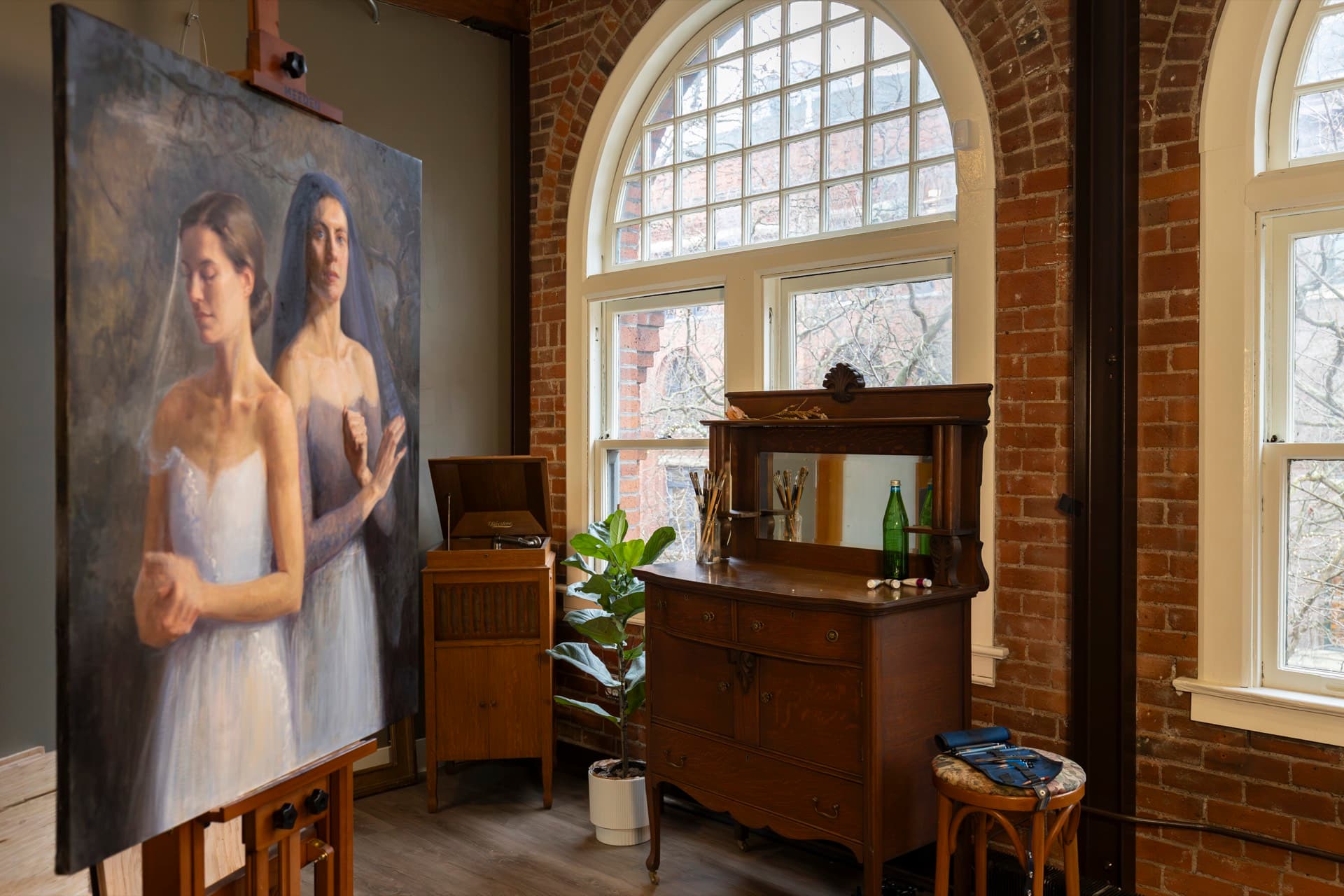
The Foundation acquires the Signature Works it commissions and pays for. Those works become part of a permanent collection held for public benefit by the Conru Art Foundation, a non-profit dedicated to commissioning art for public benefit. Personal and out-of-scope work remains the artist's to keep, show, or sell. We believe traditional, narrative art can offer people recognition, understanding, and delight. In a world full of screens and abstraction, figurative work that respects human dignity can still meet people directly. That's why we're building this collection for everyone.
Works are shown at the Art Love Salon and throughout our Occidental Fine Arts campus, so your art stays open to the public for good, instead of disappearing into a private collection.
Our support
We believe artists need more than talent. They need time to work, resources, mentorship, and a community around them.
Located in Seattle's historic Pioneer Square (311 Occidental Ave S), the purpose-built Occidental Fine Arts Center has good lighting, individual studios, and shared areas for both focused work and collaboration.
Fellows get a significant stipend, so they don't have to paint for the market. We provide materials, models, and help with logistics, so they can take on the most ambitious paintings of their careers. The Foundation's shared aim with each fellow is work that lands with the people who see it and keeps mattering long after the year is over.
The finished works are shown first in our Pioneer Square gallery. We also document how they're made: the hard work, the breakthroughs, and the people behind them.
Creative direction for the program comes from the Foundation's founder, Andrew Conru. Andrew holds a PhD in design from Stanford, was an early Internet pioneer, and is himself a working painter and the steward of one of the more extensive private collections of contemporary narrative figurative painting. His technology career underwrites the program. He's joined by visiting mentors and resident program leaders, all working with each fellow on technique, narrative depth, and artistic voice.
We work with each artist, one on one, to shape the ideas for their major works. The artist's voice and the Foundation's mission meet in the same room, and we push each painting as far as it can go. The fellows help each other, too, with shared learning, helpful critique, and collaboration.
“Technical skill is foundational, but true masterpieces arise from a profound connection to the work's audience and a deep caring and love for the story being told.”
Our team
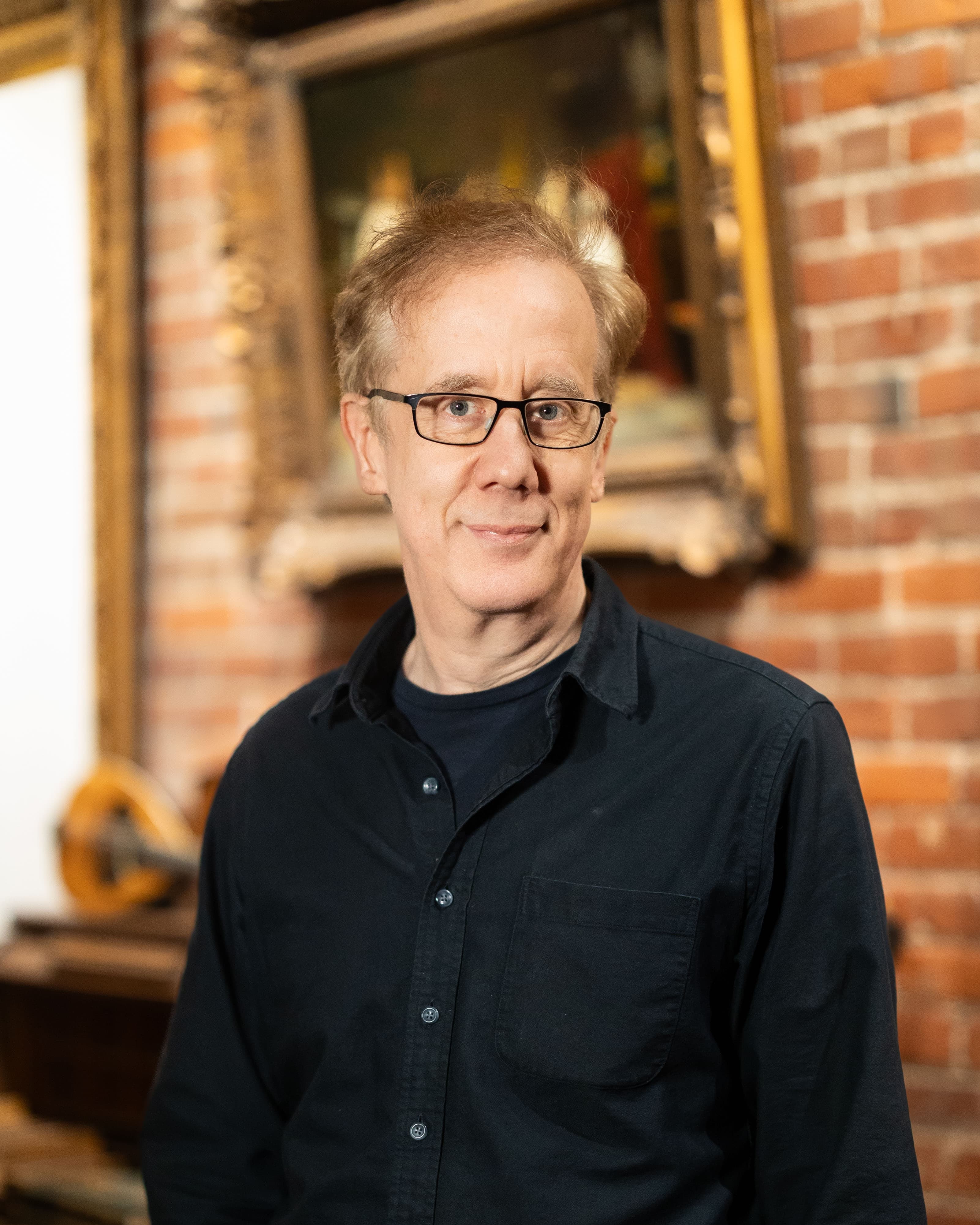
Meet the instigator
Andrew Conru's path went from a small Indiana farm to a Stanford PhD. He became an internet pioneer, focused on bringing people together.
After his success in tech, he spent time reflecting, and that led him to philanthropy. Through the Conru Foundation and the Conru Art Foundation, he works to help people find deeper meaning.
An amateur artist himself, he believes in art's power to heal and unite, especially when it pursues Beauty, Truth, and Love with masterful craft. Learn more at conru.com.
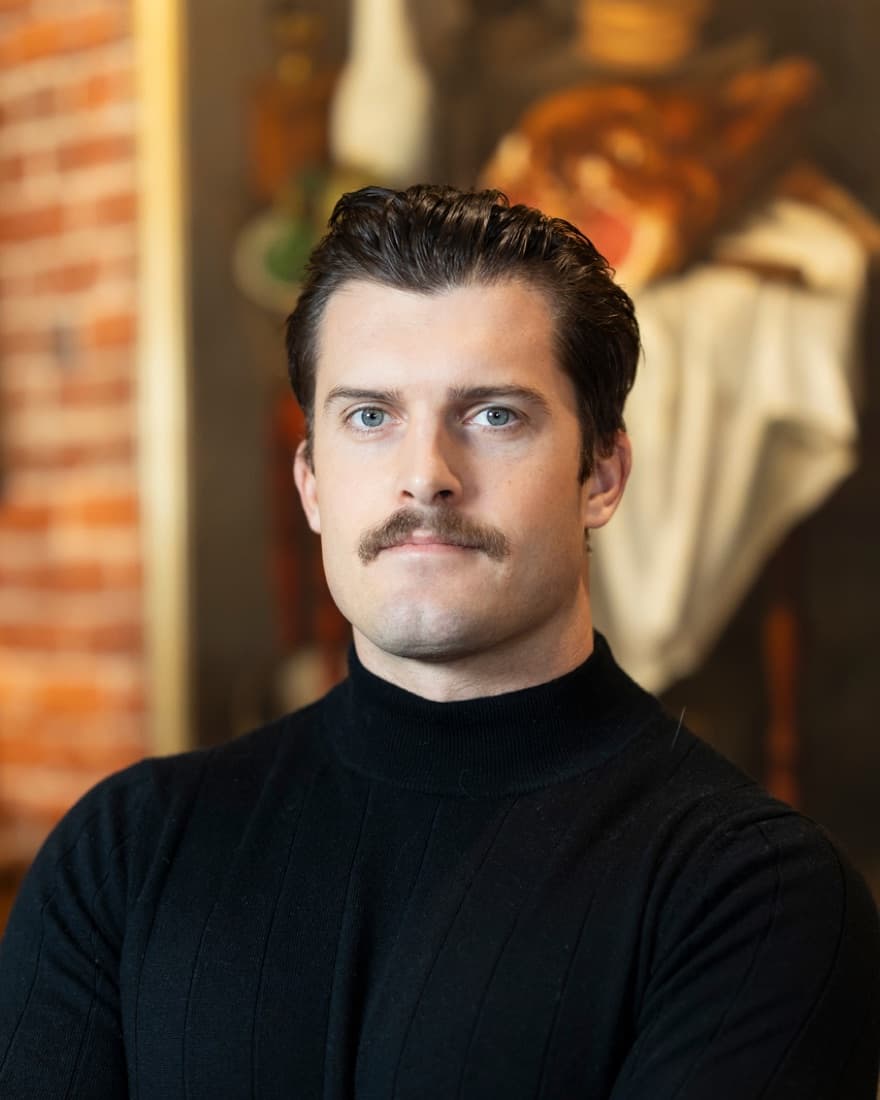
Seattle Prize lead fellow
Jackson Wrede is a Seattle Prize fellow now taking on Artist Operations for year 2 of the program. He holds a BFA from the University of Notre Dame and an MFA from Kendall College of Art and Design.
A teaching stint in France, where he encountered European masterworks firsthand, reshaped his practice toward realism and a deeper commitment to the classical tradition. His work fuses time-honored techniques with a contemporary sensibility.
Jackson is still a fellow himself while he guides day-to-day artist operations, so he sees the experiment from the inside, as a peer.
