Foundations of Rehumanism
What art is for, what it's been missing, and why it matters now. Everything else builds on this.
Art Has a Job to Do
Before we talk about technique, color, or composition, we need to answer a more fundamental question: What is art for?
The Ancient Contract
For most of human history, there was no question about what art was for. It was obvious. Art was the technology humans used to process the things that words alone couldn't handle.
The cave paintings at Lascaux weren't decoration. They were rituals of meaning-making. Greek tragedy wasn't entertainment, it was collective therapy, a way for an entire city to process grief, fear, and moral complexity together. Medieval altarpieces weren't gallery pieces, they were portals, designed to transport overwhelmed, suffering people into an experience of transcendence and hope.
Renaissance patrons didn't commission paintings because they "liked art." They understood something we've largely forgotten: beauty is a human need, not a luxury. A great painting in a public space could comfort the grieving, inspire the doubtful, and remind an entire community of its shared values.
Art has always had a therapeutic function. It comforts. It reveals. It connects. It helps us process experiences that are too large for language. This isn't a new idea — it's the oldest idea. We're just remembering it.
Beauty as Necessity
There's a common modern assumption that beauty is superficial, a pleasant extra, nice to have but not essential. Rehumanism invites artists to test a different possibility: that beauty can answer a real human need.
Consider what actually happens in your body when you encounter genuine beauty, a sunset, a perfectly composed painting, a piece of music that stops you mid-step:
- Your heart rate slows
- Your breathing deepens
- Your shoulders drop
- Your sense of time shifts, you become present
- You feel, briefly, that the world makes sense
You’ve felt this. Beauty slows you down, and for a moment the noise stops. It works like a reset button for your perspective, and with everything competing for our attention now, we need that more than ever.
The "Art as Therapy" Framework
The philosopher Alain de Botton makes the case that art functions best when we approach it as a tool for living. Not as decoration. Not as status symbol. Not as intellectual puzzle. But as genuine medicine for specific emotional and psychological needs.
De Botton identifies several "therapeutic" functions art can serve:
- Remembering what matters Art can hold up the values, moments, and truths we know are important but constantly forget in the rush of daily life.
- Giving hope Beauty reassures us that goodness exists, even when we can't see it in our immediate circumstances.
- Dignifying grief Art that honestly portrays sorrow gives us permission to feel our own sadness without shame.
- Rebalancing — If we're too rigid, art can remind us of tenderness. If we're too scattered, art can model clarity and order.
- Self-understanding When an artist captures a subtle emotion perfectly, it validates our inner life. "Someone else has felt this. I'm not alone."
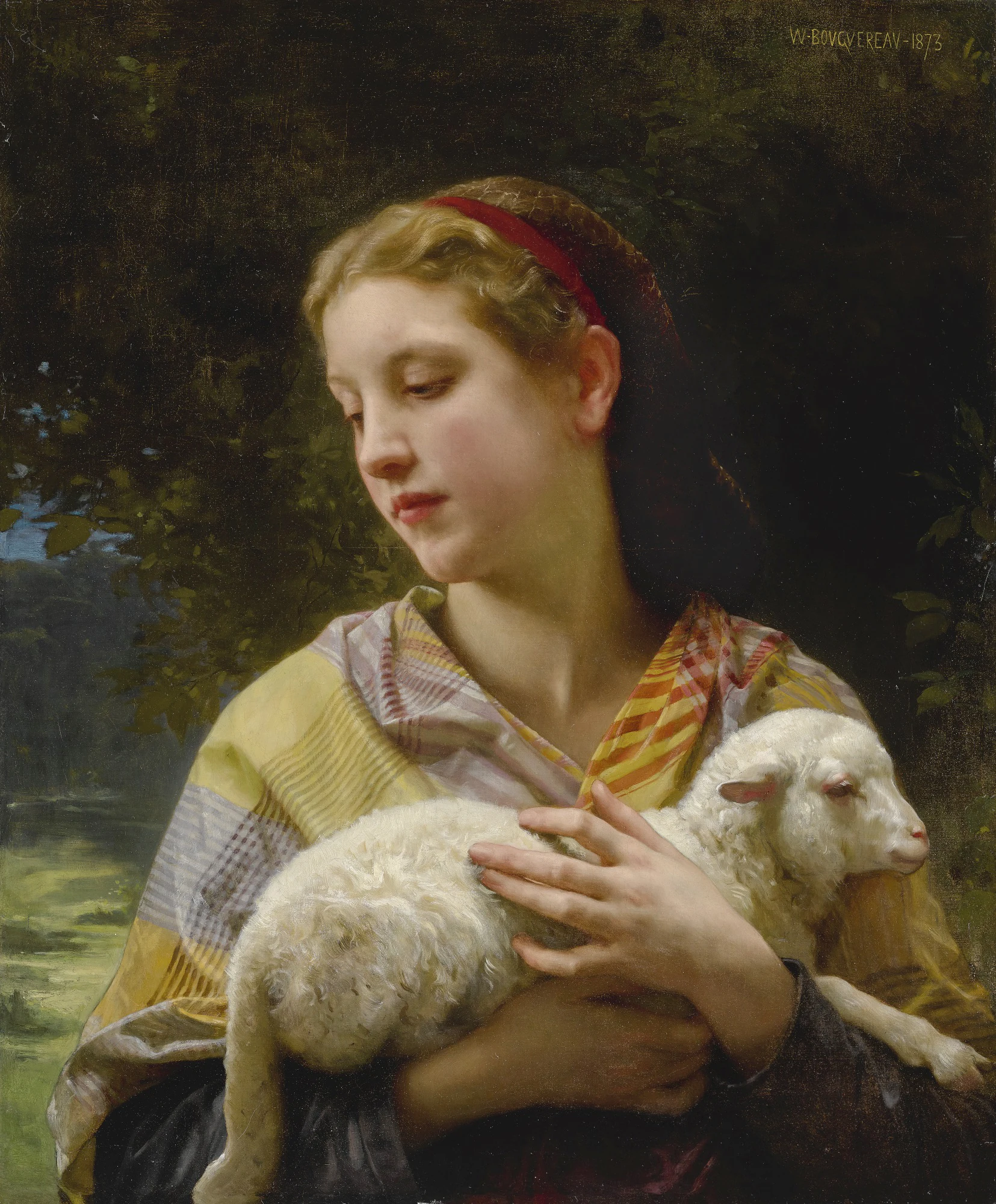
What might art offer beyond challenge or provocation? One possibility is art that nourishes: work that acts as a bridge between isolated people and helps someone feel seen, understood, or less alone. That is one serious ambition among the many an artist may choose.
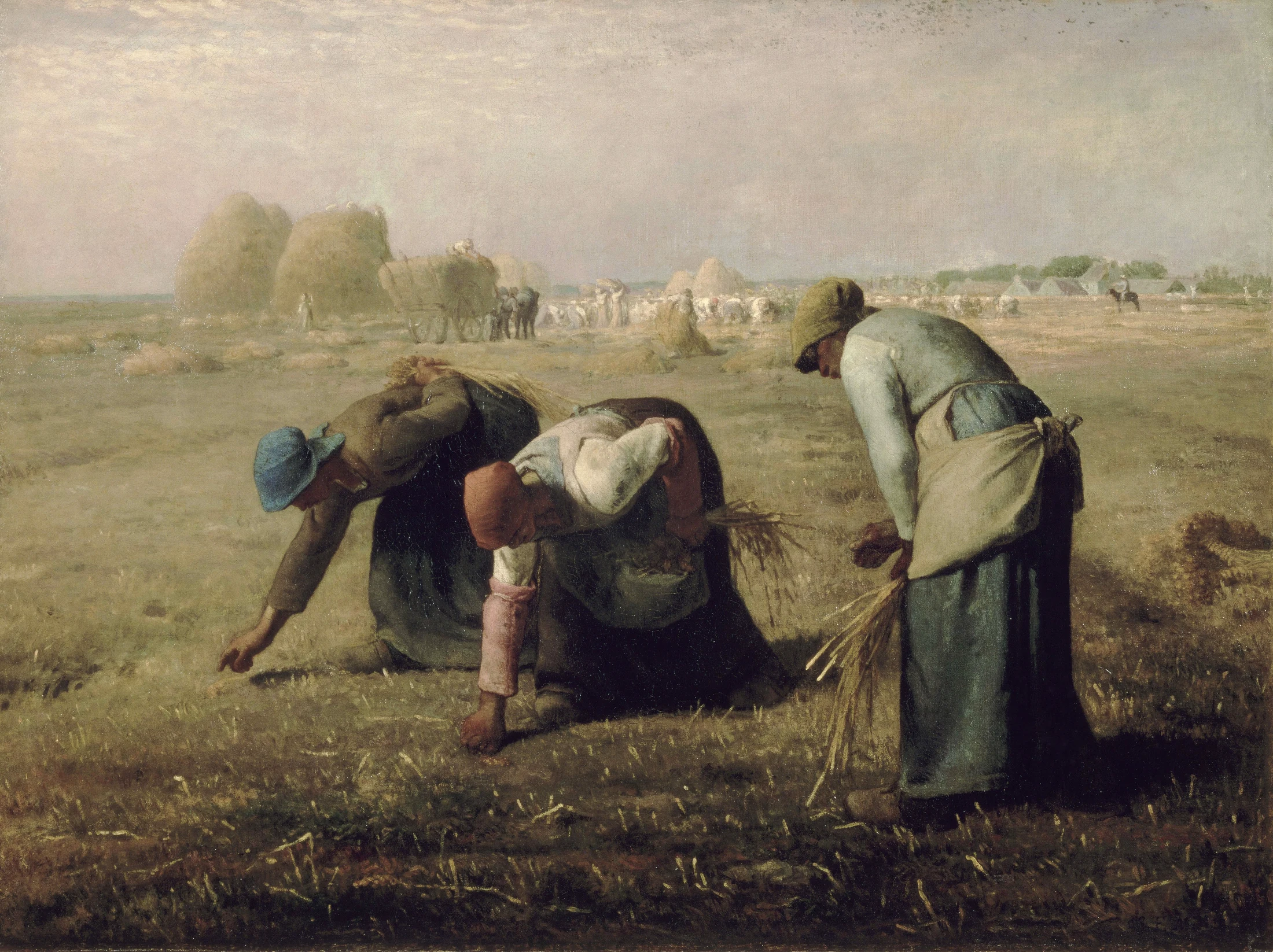
Three peasant women bending to pick up leftover grain after harvest. No drama. No mythology. Just the quiet dignity of labor and survival. When it was first exhibited, critics called it "dangerous", it forced the comfortable to see the poor as human. Today, standing before it, you still feel something shift: a recognition of shared vulnerability, of the beauty in ordinary struggle. This is art doing its job.
Find 5 works of art (paintings, sculptures, photographs) that have genuinely affected you emotionally. For each one, write:
- What you feel when you look at it (be specific, not "it's nice" but "it makes the tightness in my chest release")
- What need it meets (comfort? validation? hope? beauty? a sense of order?)
- Why you think it works — what is the artist doing, specifically, that creates that effect?
This is the beginning of your personal "art pharmacy", a collection of works you can return to when you need them. It's also the beginning of understanding what you want to offer viewers with your own work.
1. When was the last time a work of art genuinely changed how you felt? What happened?
2. Do you believe beauty is a necessity or a luxury? Why?
3. If art is "medicine," what is the illness it's treating right now, in 2026?
What Got Lost
If art has always had a therapeutic, connective purpose, why does so much contemporary art feel cold, alienating, and inaccessible? What happened?
The Break
One way to read the early 20th century is as a shift in the relationship between artist, artwork, and audience. As new forms and institutions emerged, some artists put less emphasis on legibility, shared story, or service to the viewer.
This isn't a condemnation of all modern art, there are genuine masterworks throughout the 20th century. But it's an honest assessment of what was lost when several things happened simultaneously:
- The human figure vanished. Abstraction became the "serious" mode. Painting recognizable human beings became associated with sentimentality, naivety, or, worst of all — commercial illustration.
- Stories became embarrassing. Narrative painting was dismissed as "literary", a dirty word in art criticism. The idea that a painting might tell a story, offer a moral, or communicate a message was seen as unsophisticated.
- Beauty became kitsch. The pursuit of visual beauty was recast as bourgeois, reactionary, or intellectually lazy. "Interesting" replaced "beautiful" as the highest compliment.
- Craft became optional. Conceptualism taught that the idea was everything, execution was nothing. Why spend 10 years learning to draw when you could just submit a concept?
- The audience became irrelevant. Art was no longer made for anyone. It was made for the art world, for critics, curators, and other artists. If the public didn't understand it, that was the public's problem.
The Consequence
The result is a cultural tragedy that we've normalized. Art, one of humanity's most powerful tools for connection, healing, and meaning-making — has been largely abandoned by the people who need it most.
Visit any major contemporary art museum. Watch the visitors. Most of them are:
- Confused but pretending not to be
- Taking photos of wall text rather than looking at the work
- Moving quickly past work that does not give them an immediate point of entry
- Leaving without being changed
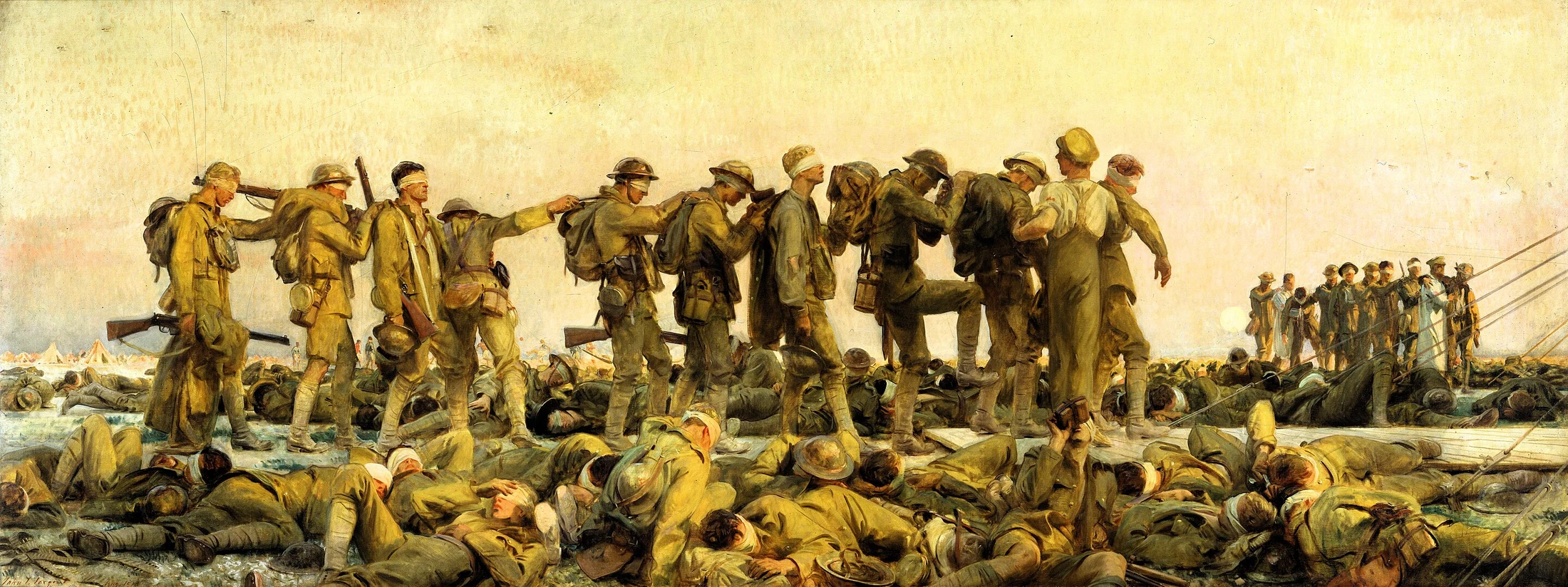
Now visit a room of Rembrandts, or Sargents, or Sorollas. Watch the same visitors. They stop. They breathe differently. They lean in. They feel something. The experience is qualitatively different, not because those viewers are unsophisticated, but because the work is actually doing something for them.
This isn't about blaming the public for "not getting it." It's about noticing that a lot of contemporary art drifted away from serving the human need for beauty, truth, and connection, and toward serving the professional need for novelty, critique, and institutional status. Not all of it. But enough that the gap is visible.
Why This Matters Now
We live in an era of:
- Unprecedented isolation. More connected than ever, lonelier than ever.
- AI-generated everything. Infinite images, but something intangible missing.
- Meaning crisis. Religion declining, community fragmenting, purpose unclear.
- Attention collapse. The average attention span crushed by infinite scroll.
In this context, art that heals, connects, or nourishes may have particular value. Challenge, ambiguity, and discomfort can also matter; the question is what experience the artist wants to create, and whether the work earns that response.
Visit a gallery or museum (in person or virtually). Find:
- A work that serves the viewer — that comforts, inspires, connects, or reveals something true about human experience. Note what it does and how.
- A work you struggle to enter — perhaps it depends on extensive wall text, or leaves you uncertain what it is offering. Note what creates that distance, and whether the distance might be purposeful.
Write a brief comparison (even just bullet points). The goal isn't to be dismissive, it's to train your eye for the difference between art that does its job and art that has forgotten what the job is.
1. Can you think of a contemporary artwork that genuinely moved you? What made it different?
2. Is there a way to make "challenging" art that is also nourishing? Where's the line?
3. If you were commissioning a painting for a hospital waiting room, what would you want it to do? How is that different from what you'd see in a Chelsea gallery?
Beauty, Truth, and Love
The three pillars of Rehumanism. Not as abstract ideals, but as practical, testable criteria for evaluating and creating art.
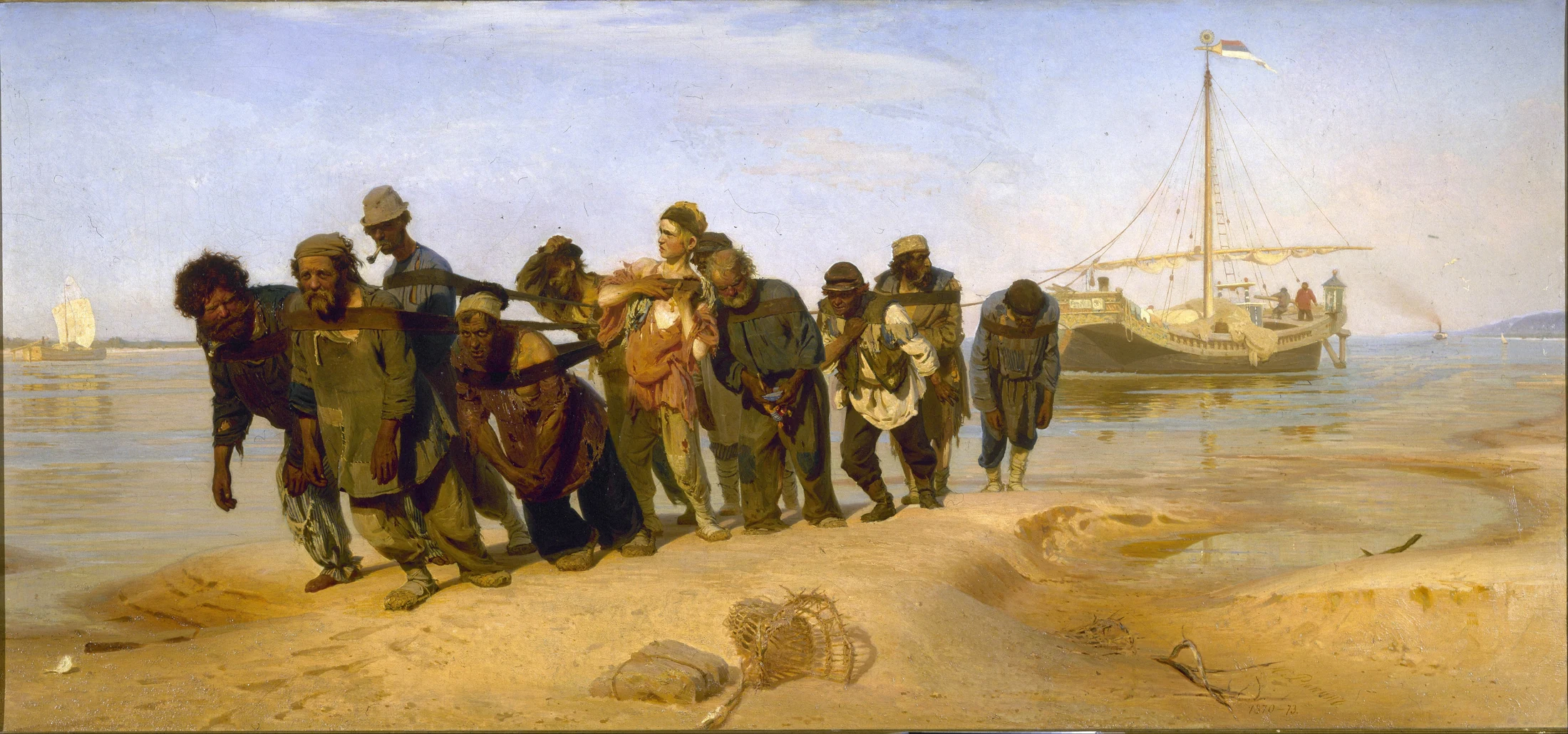
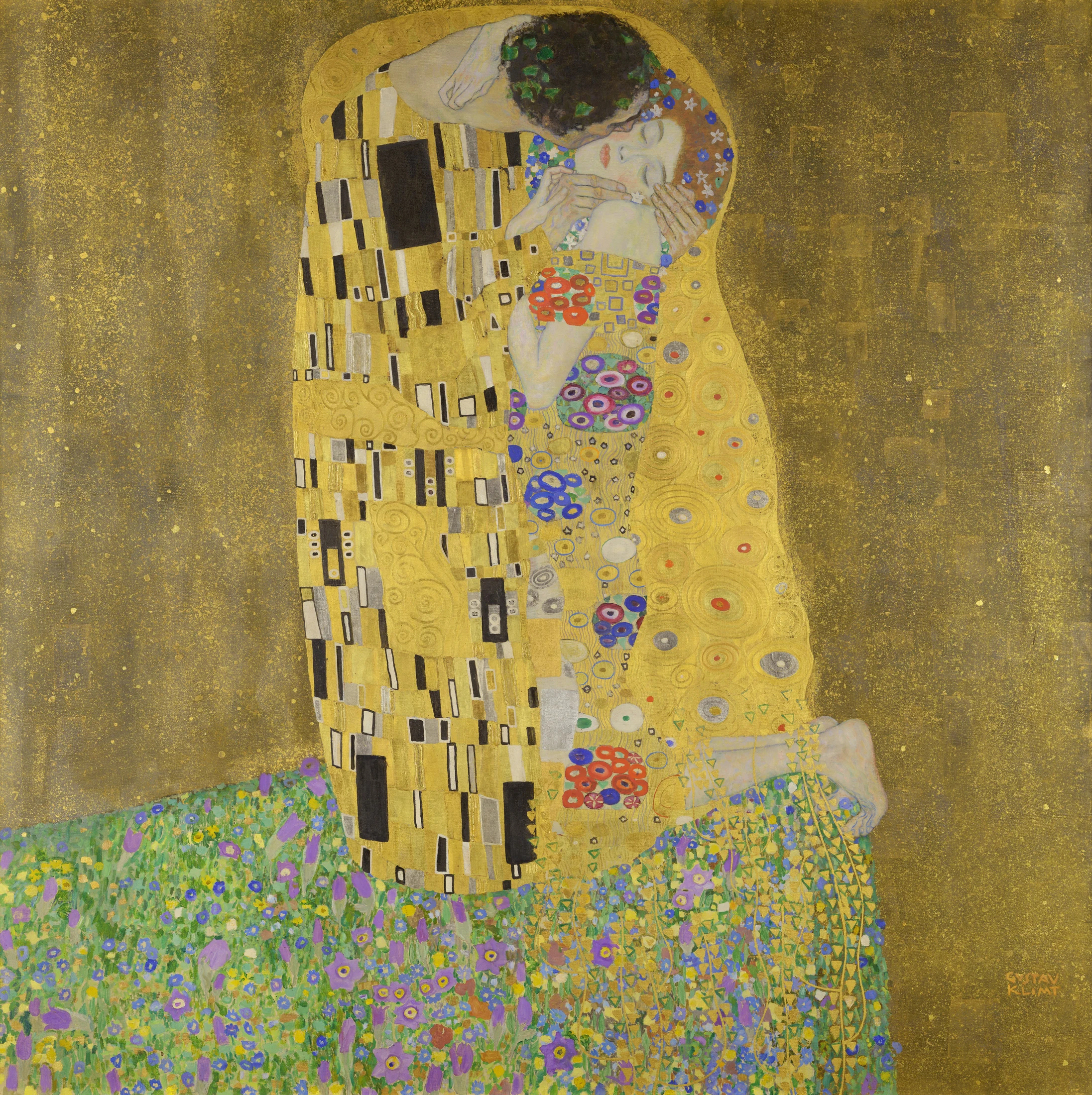
Pillar 1: Beauty
What we mean: Not prettiness. Not decoration. Not sweetness. Beauty, in the Rehumanist sense, is visual harmony that serves a human purpose.
Think of the difference between a plastic flower and a real rose. The plastic flower is "pretty", it has the right colors, the right shape. But it does nothing for you. The real rose, with its imperfections, its fragrance, its brief life, it stops you. It makes you present. It reminds you, wordlessly, that life is both fragile and magnificent.
That is the kind of beauty we mean. Beauty that:
- Calms the nervous system Visual harmony has measurable physiological effects. Balanced composition, harmonious color, and thoughtful form activate the parasympathetic nervous system. Your body literally relaxes.
- Invites sustained attention Unlike shock or spectacle, genuine beauty rewards looking. The longer you stay, the more you see. It slows you down — which in our age is a radical act.
- Is universally accessible You don't need an MFA to appreciate a Sorolla beach scene or a Bouguereau figure. Beauty speaks directly, across cultures, education levels, and time periods.
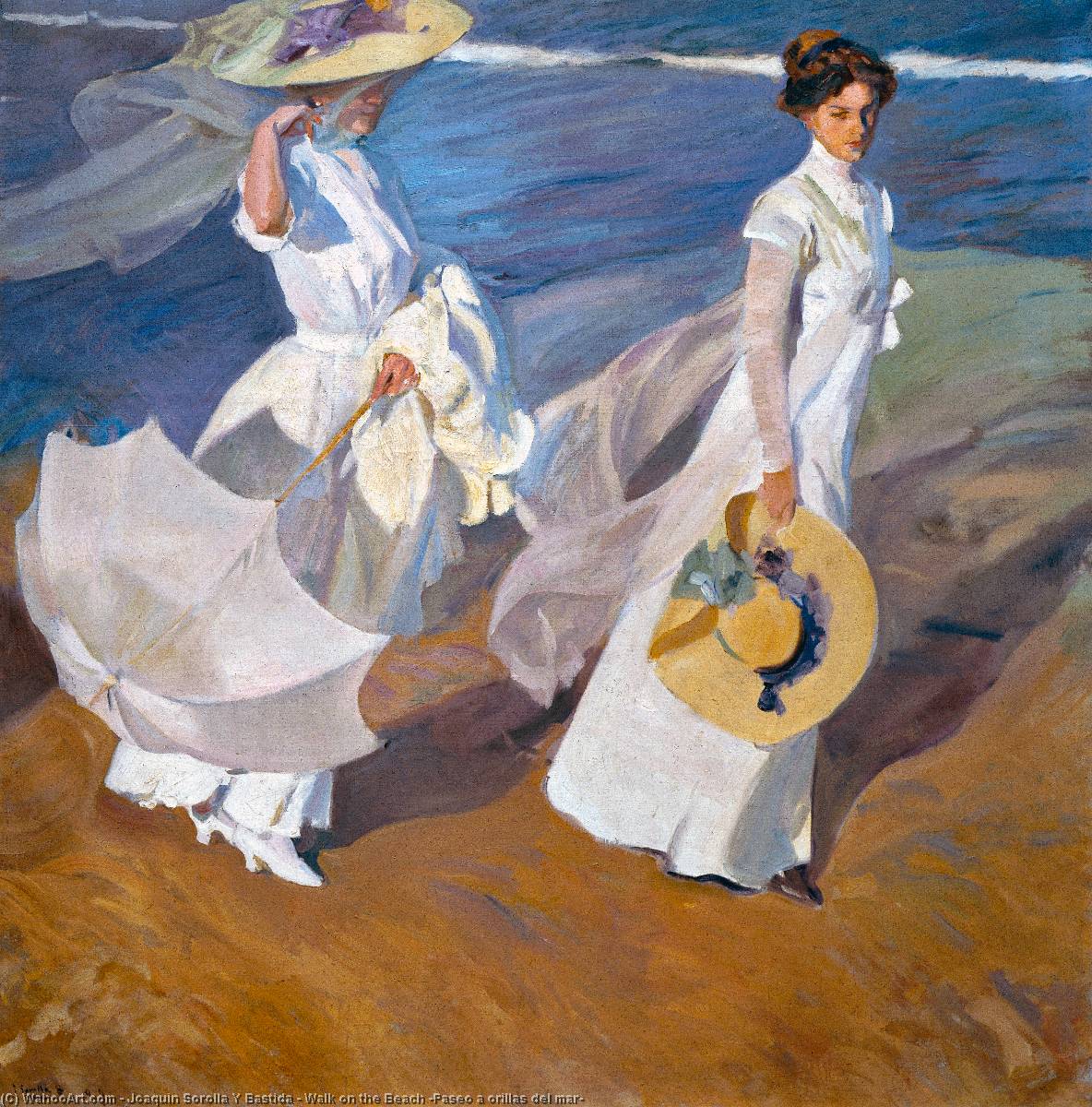
Look at Joaquin Sorolla's "Walk on the Beach" (1909). Notice how the light through the white dresses, the wet sand reflections, the loose but confident brushwork all work together to create an experience that is simultaneously calm and alive. Your breathing changes. You want to be there. That's beauty doing its work.
Pillar 2: Truth
What we mean: Honest observation of real human experience, rendered with integrity, not cynicism.
Truth in Rehumanism is not "brutal honesty" or "unflinching realism" (though those have their place). It's something more subtle: the commitment to seeing clearly and reporting accurately what it means to be human.
Truth means:
- Seeing the subject as they are Not idealized beyond recognition. Not degraded for effect. Rendered with the specific, generous attention that says: "I looked at you. I saw you. I cared enough to get it right."
- Emotional honesty The painting acknowledges real feelings, including difficult ones. A truthful painting of motherhood might include exhaustion alongside tenderness. A truthful landscape might include both the beauty and the erosion.
- No irony as armor — Ironic distance is the default mode of much contemporary art. Rehumanism asks for sincerity. Not naivety, but the courage to mean what you paint.
Pillar 3: Love
What we mean: The intention to serve the viewer. Art created as a gift, not a transaction.
This is the most radical of the three pillars, because it reframes the entire purpose of art-making. It asks the artist to shift from "What do I want to express?" to "What can I offer?"
Love in art means:
- Considering the viewer's experience Before, during, and after creating, the artist asks: "How will this make someone feel? Will it bring comfort? Understanding? Connection? Joy?"
- Generosity of craft Taking the time and care to make something truly excellent, not for your own satisfaction, but because the viewer deserves your best effort. Skill as service.
- The love letter — At its highest, a Rehumanist painting is a love letter from the artist to the viewer. It says: "I see you. I feel this too. You are not alone." The profound relief of finding your private feelings given public form.
For any work of art, you can ask three questions:
1. Is it beautiful? Does it offer visual harmony that rewards sustained attention?
2. Is it true? Does it honestly reflect human experience without cynicism or manipulation?
3. Is it made with love? Does it serve the viewer? Was it created as a gift?
A work doesn't need to score perfectly on all three. But the more it embodies these qualities, the closer it gets to what art can be at its best.
Choose 3 paintings you love. For each, rate it (honestly) on each pillar from 1-10 and write a brief note explaining why:
- Beauty (1-10): Does the visual experience itself nourish? Does it reward sustained looking?
- Truth (1-10): Is the observation honest? Does it capture real human experience with integrity?
- Love (1-10): Does it feel like a gift to the viewer? Does it serve you, or does it serve only the artist?
Then do the same exercise on your own most recent work. Where are you strongest? Where is there room to grow?
1. Which pillar comes most naturally to you? Which feels most challenging?
2. Can you think of a great painting that is beautiful and true but not made with love? What's missing?
3. Is there a tension between Truth and Beauty? Can a painting be brutally honest and beautiful? How?
The Rehumanist Invitation
Not a manifesto. Not a set of rules. An invitation, and a question you carry into every painting for the rest of your life.
What Rehumanism Is Not
Before we go further, let's be clear about what we are not saying:
- It's not a style. Rehumanism is not "paint like Bouguereau." It's a set of values that can be expressed in many styles, from tight realism to loose impressionism to thoughtful abstraction. The question isn't "What does it look like?" but "What does it do?"
- It's not anti-modern. We're not longing for the past. We're asking: what have we lost, and how do we recover it while moving forward? Nostalgia is a trap. Rehumanism is a present-tense project.
- It's not sentimental. Sentimentality is dishonest emotion, feeling without risk. Rehumanism demands real feeling, which includes grief, anger, discomfort, and complexity. Just never cynicism.
- It's not prescriptive. There's no Rehumanist style guide. No approved palette. No forbidden subjects. There's only the invitation: make work that serves the human spirit.
What Rehumanism Is
Rehumanism is an answer to a single question:
"Does this bring more light into the world? Does it help someone feel seen?"
If your answer is yes, honestly, not wishfully — then you're making Rehumanist art. The label doesn't matter. The function does.
More concretely, Rehumanism is:
- A return to art's ancient purpose comfort, connection, meaning, transcendence, updated for our time.
- A commitment to high craft in service of others the better your skill, the more you can offer. Mastery isn't ego; it's generosity.
- A bet on the human in an age of AI-generated content, we are betting that things made slowly, with intention, by trained human hands, have a value that cannot be replicated or automated.
- A community, not a club — there's no gatekeeping. If the values resonate, you're in. The movement grows by attraction, not by exclusion.
Writing Your Artistic Philosophy
Every serious artist needs a philosophy, not a rigid manifesto, but a set of guiding intentions that help you make decisions when you're lost in the studio at 2am, staring at a canvas that isn't working.
Your philosophy answers: Why do I make this? Who is it for? What do I hope it does in the world?
Write a personal artistic philosophy statement. Not for a grant application or a gallery submission, for yourself. Keep it to one page. Use this structure:
- What I believe art is for (1-2 sentences)
- What I want my work to do for the viewer (1-2 sentences)
- The human experiences I want to explore (list 3-5 themes)
- My relationship to Beauty, Truth, and Love (how each pillar shows up in your work)
- The question I carry into every painting (your version of "Does this bring more light?")
Put this somewhere you'll see it every day in the studio. Revisit it quarterly. It will change, that's good. The practice of articulating your intention is what matters.
Where You Go From Here
This workshop has given you the philosophical foundation:
- Art has always had a therapeutic, connective function (Week 1)
- That function was disrupted in the 20th century, and the consequences are visible (Week 2)
- Beauty, Truth, and Love are the three testable pillars for evaluating and creating meaningful art (Week 3)
- Rehumanism is not a style but an invitation, a commitment to creating work that serves the human spirit (Week 4)
The remaining workshops build on this foundation:
- Workshop 2 teaches you how to tell stories visually — the human figure as empathy bridge, narrative as meaning-making.
- Workshop 3 walks through eight human themes painters keep coming back to, and how you might retell them now.
- Workshop 4 looks at how a painting can comfort, and how to paint with that in mind.
- Workshop 5 connects craft to purpose: how light, color and brushwork carry feeling.
- Workshop 6 helps you build a practice that lasts: daily habits, community, getting your work seen.
1. Has your understanding of what art is "for" changed through this workshop? How?
2. Read your artistic philosophy statement aloud. Does it feel true? Does it feel ambitious enough?
3. What is the first painting you want to make with these principles in mind?